Giraffe are easier to plan for than many animals. They do not migrate in great herds, they are large and visible, and they live in the same general areas through the year. Still, the season makes a real difference to where they gather, how far they range and how easily you find them. It also shapes everything else about a trip: heat, roads, insects, the colour of the land and what else you see.
Dry season gatherings at water
In the dry season, surface water shrinks to rivers, permanent pools and pumped waterholes, and grass dies back. Animals concentrate near water, and the thinner bush makes them easier to see. This is the classic time for game viewing in most parks.
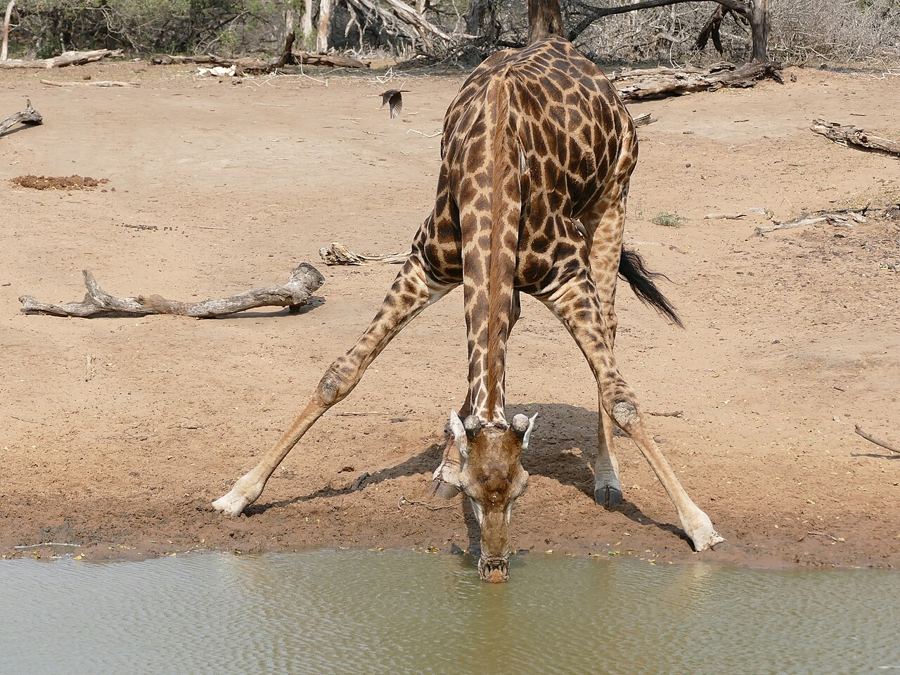
Giraffe are less dependent on water than many grazers, because they take much of their moisture from the leaves they eat. They still drink when water is available, often every few days. In the late dry season you may find them at waterholes in Etosha, at the pans of Hwange or along the Chobe riverfront, splaying their legs to reach the water. See Etosha's waterholes for a place where this is easy to watch.
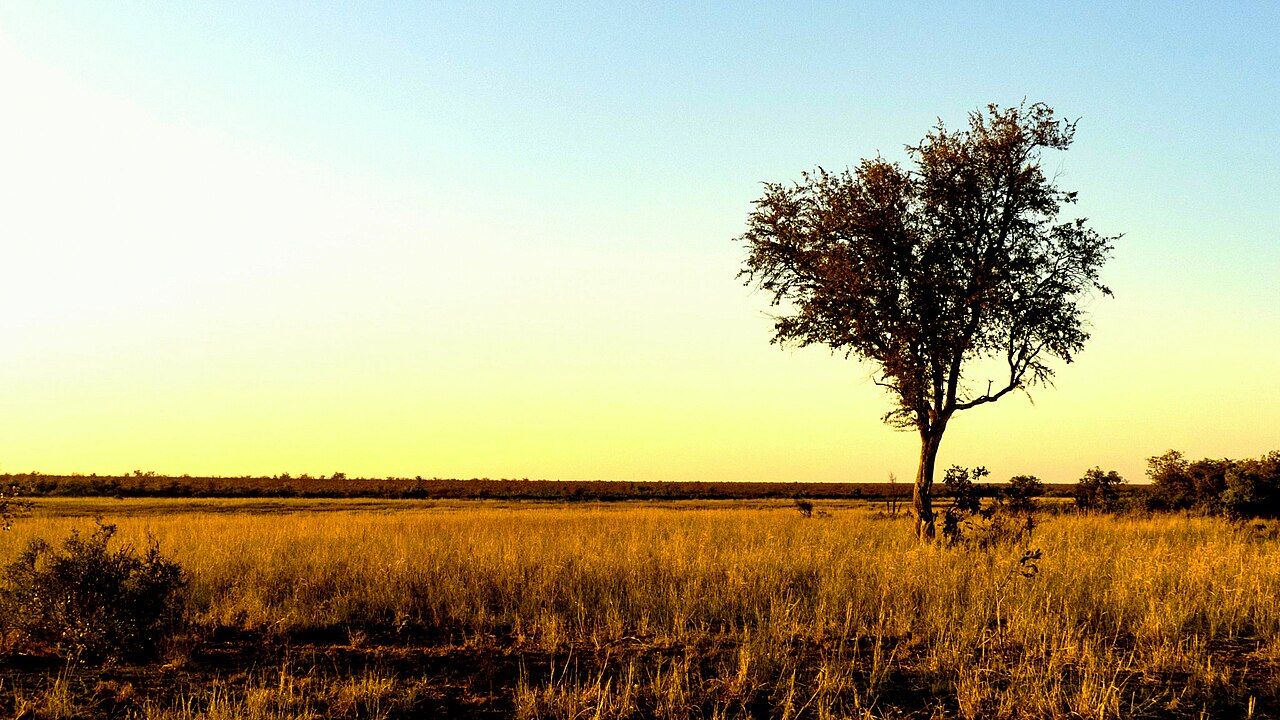
Late dry season trees are often bare, apart from evergreen species and a few that flower or fruit before the rain. Giraffe concentrate on whatever green browse remains, often along rivers, which can make them easier to find.
Green seasons, young animals and birds
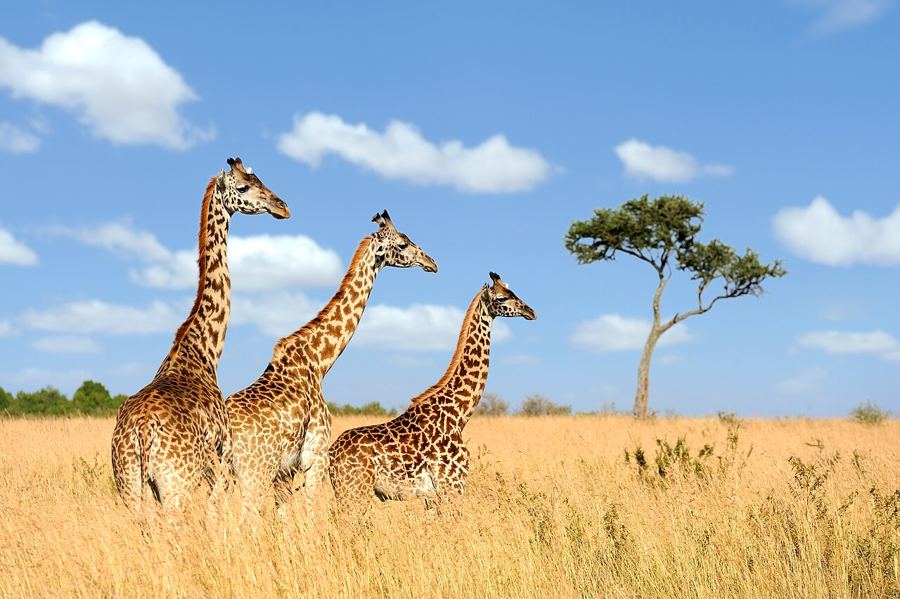
When the rains come, the land turns green within days. Water lies everywhere, so animals spread out from rivers and waterholes. Grass grows tall and trees leaf out, which makes some animals harder to see. Giraffe are an exception, as their heads usually show above the vegetation.
The green season has its own rewards. Many antelope give birth around the start of the rains, and the young attract predators. Migrant birds arrive from Europe and Asia, and resident species breed in bright plumage. Light after storms is clean and dramatic, and parks are quieter. Giraffe breed through the year, so calves can appear in any season, though some areas see more births at particular times.
The trade-offs are real: some roads become impassable, some areas close, and humidity and insects increase. Prices may be lower.
Southern Africa
In most of southern Africa the rains fall in summer, from about November to March or April, and the dry season runs from about May to October. June and July bring cold nights and mornings, especially on the high plateaux and in the Kalahari, while September and October become hot.
This pattern applies to Kruger, Etosha, Hwange, Chobe and the Luangwa Valley, with local differences. In the Okavango Delta, the flood from the Angolan highlands arrives in the dry season, so water is highest when rain is lowest. The individual guides, such as Hwange's pans and giraffe in Kruger, give more detail.
East Africa
East Africa near the equator usually has two rainy seasons: the long rains, roughly March to May, and the short rains, roughly November and December. The driest periods are generally from June to October and from January to February. Patterns vary a lot with altitude and local geography, and rains in any one year can come early, late or not at all.
In the Serengeti, the great wildebeest migration moves with the rains, though giraffe stay put; the guide to Masai giraffe on the Serengeti describes this. In northern Kenya, Samburu is hot and dry for much of the year, with brief rains. Uganda's parks, close to the equator, have rain spread more evenly through the year.
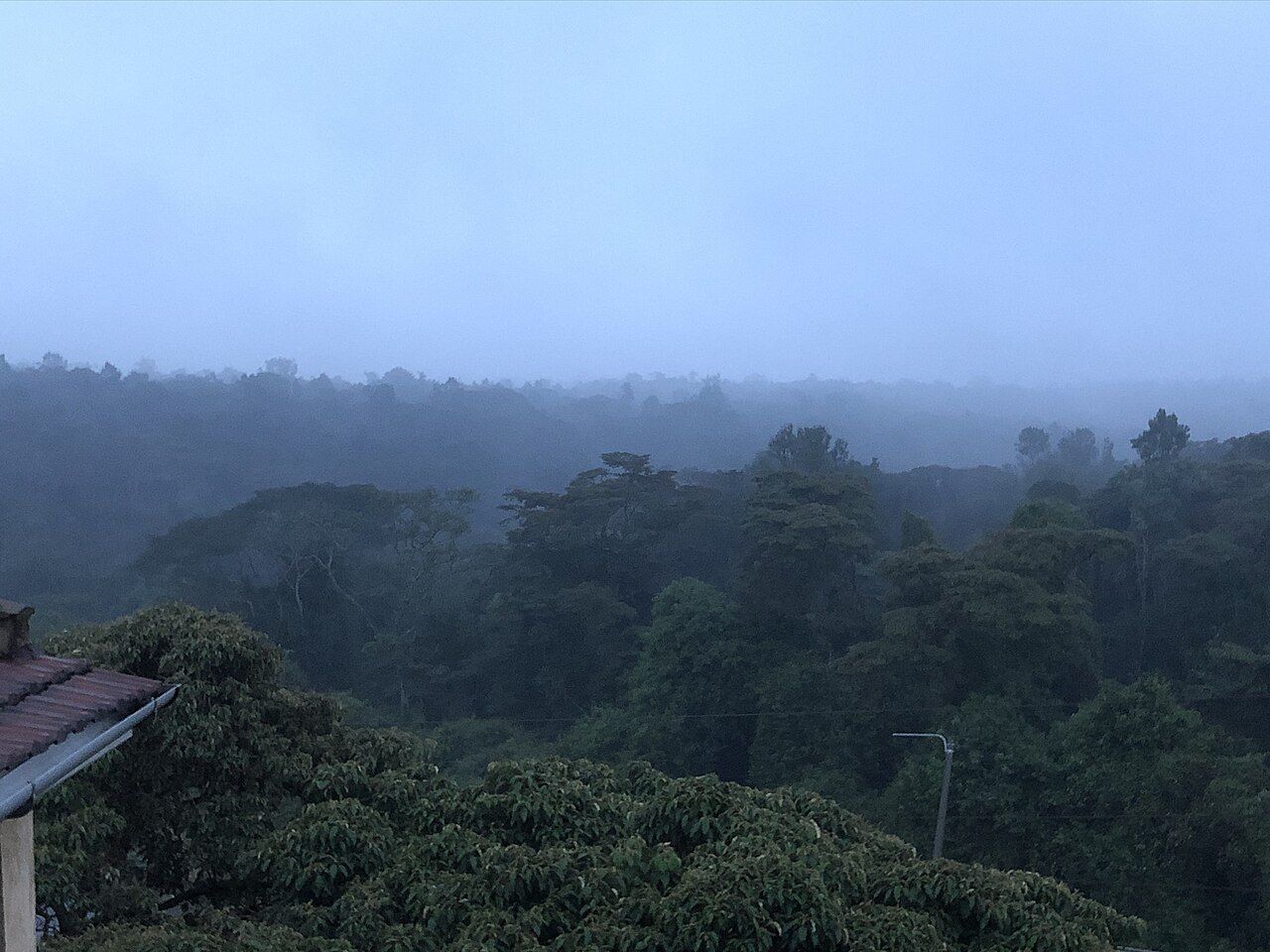
West and central Africa
In the Sahel and the savanna to its south, there is a single rainy season, roughly June to September in Niger and somewhat longer further south. The dry season is long, and from about March to May the heat is intense. The cooler dry months, around November to February, are usually the most comfortable, though the harmattan wind can bring dust and haze from the Sahara.
Parks such as Zakouma in Chad and Garamba in DR Congo are reachable mainly in the dry season, and access is limited at the best of times. The guide to Kordofan giraffe covers both.
At Kouré in Niger, the giraffe range wider in the late dry season, when browse on the farmland runs short, and stay closer to the villages in the green months. Visits there, too, depend on current advice.
Heat and malaria in general
Heat peaks in most regions just before the rains. Days can be very hot, especially in low valleys such as the Luangwa and the Zambezi. Plan drives for early morning and late afternoon, carry plenty of water, and rest at midday.
Malaria risk is present in most giraffe areas and is generally higher during and after the rains, when mosquitoes breed. A doctor or travel clinic is the right place to ask about malaria tablets and vaccinations, well before you go. Use repellent, cover arms and legs in the evening, and sleep under a net where provided. The guide to safari health and safety covers more of this.
There is no single best month for giraffe. Pick the region first, then the season, and decide whether you would rather see animals gathered at water or a green, quieter land full of birds and young.