For most of the twentieth century the giraffe was treated as a single species, Giraffa camelopardalis, split into a long and shifting list of subspecies based mostly on coat pattern and where an animal had been shot or seen. That picture began to change in 2016, when a broad genetic study compared giraffe from across the continent and found deep divisions between groups that had been living apart for a very long time. The conclusion it reached was striking: not one species, but four.
Not everyone agreed at once, and the debate is still settling. The IUCN Red List has assessed the giraffe as one species with several subspecies, while many researchers and wildlife authorities now use the four-species arrangement. Neither view changes what you see through the windscreen. What it does is give you a useful frame for the animals in front of you, and a reason to look more closely at every coat.
The four species and their kin
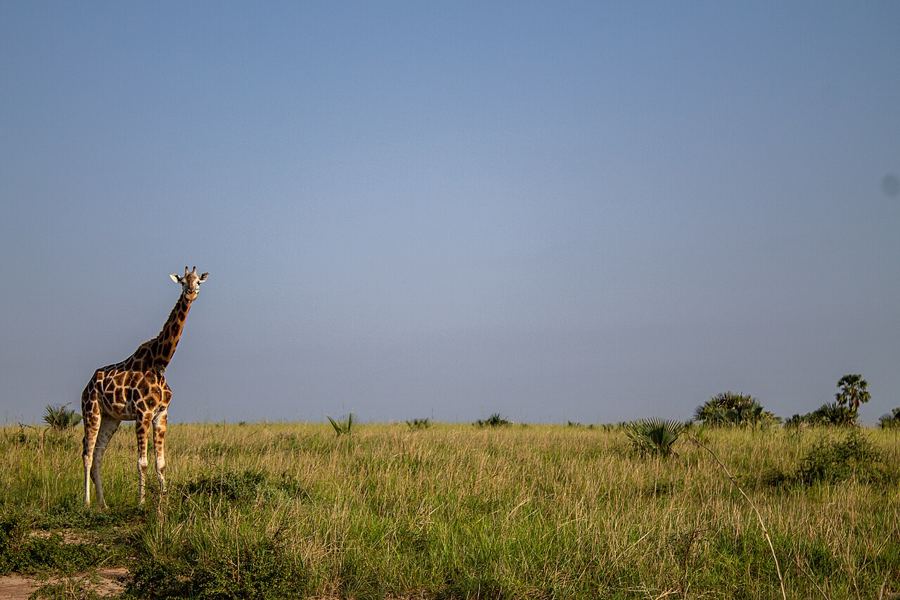
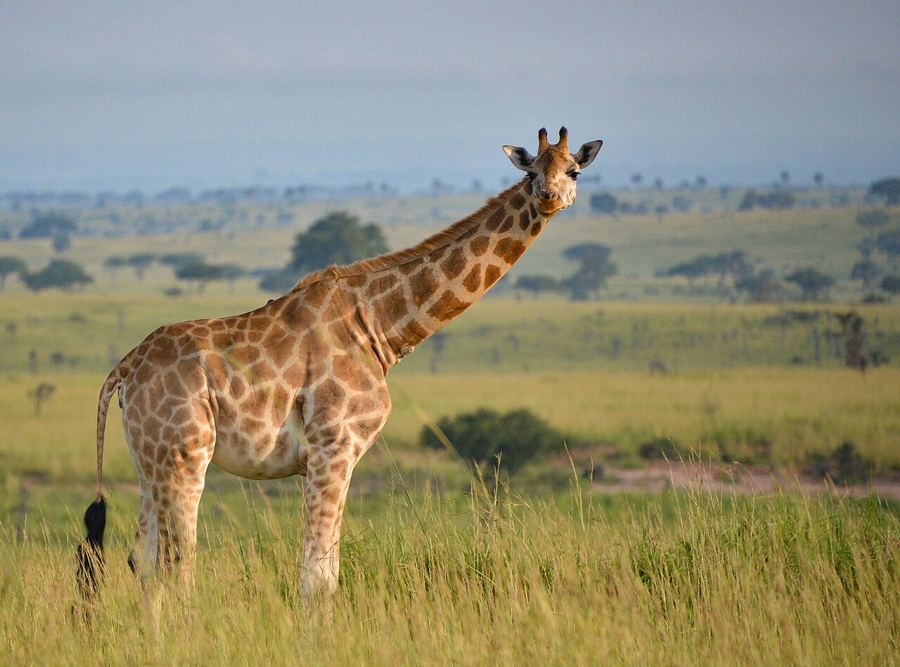
The northern giraffe is the most scattered. It includes the Nubian giraffe, which genetic work found to be essentially the same animal as the Rothschild's giraffe of Uganda and western Kenya; the Kordofan giraffe of central Africa; and the West African giraffe, now confined to Niger. Most northern populations are small and widely separated, and some are in serious trouble.
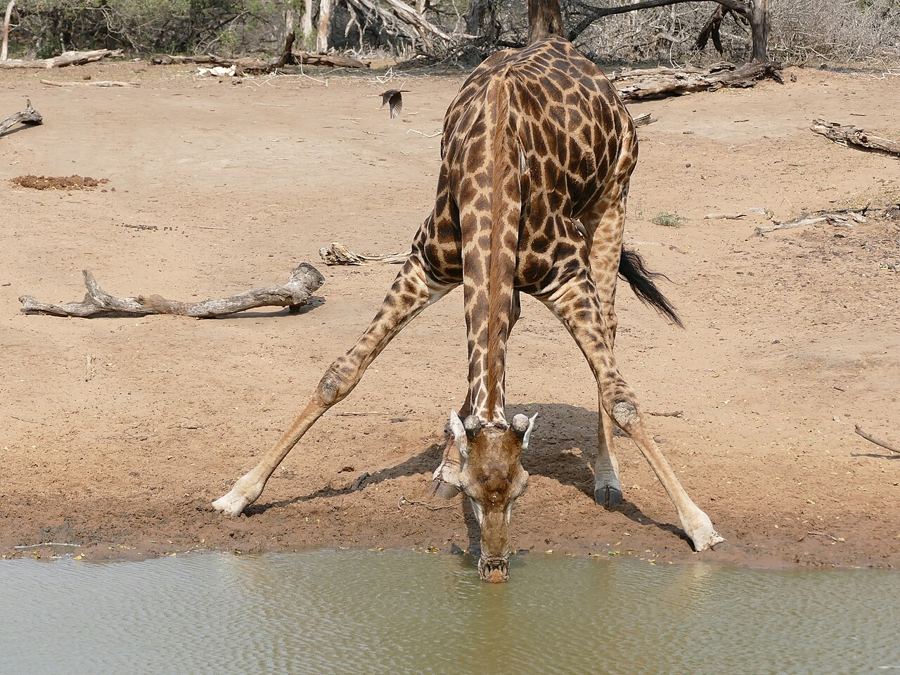
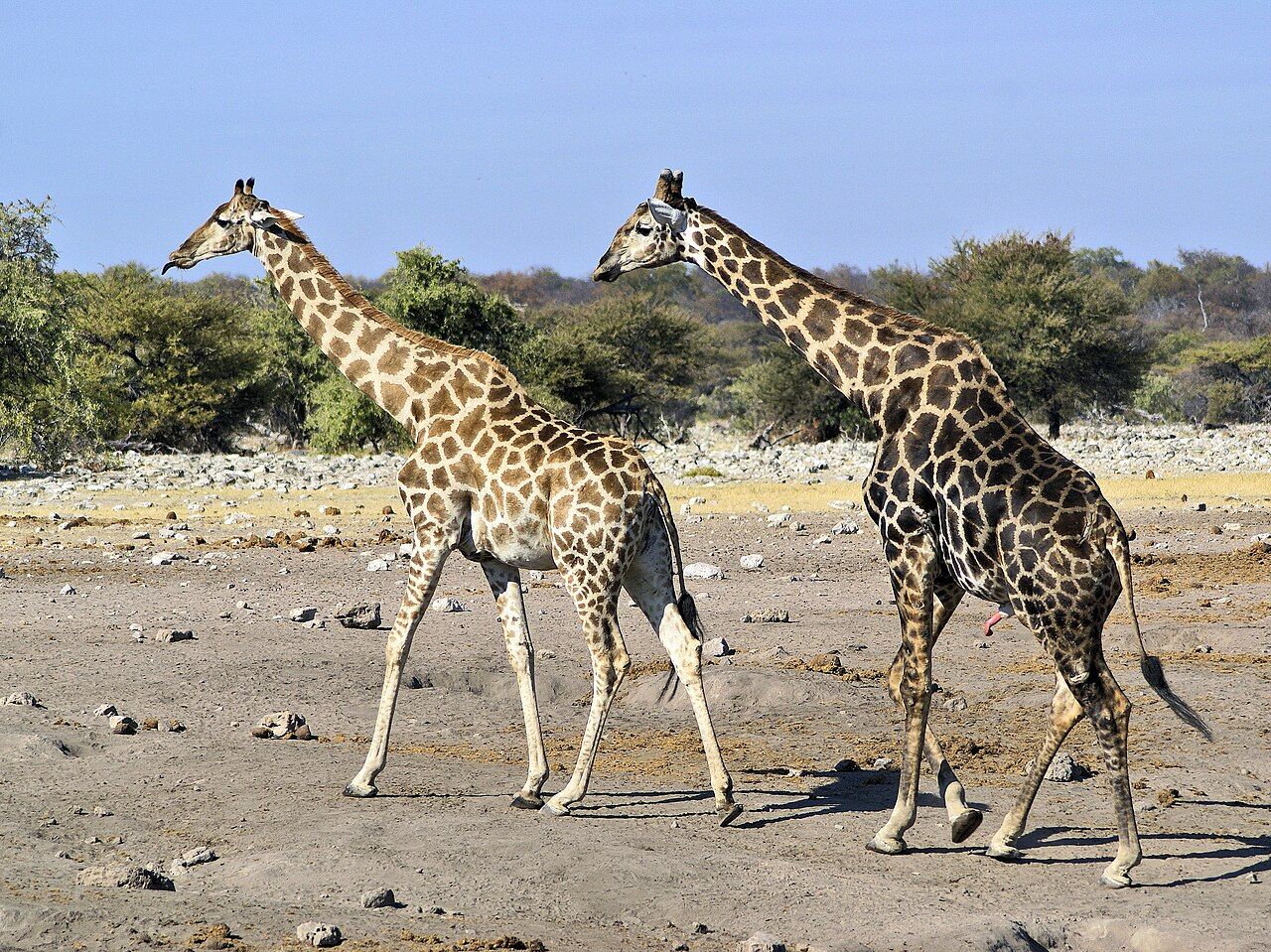
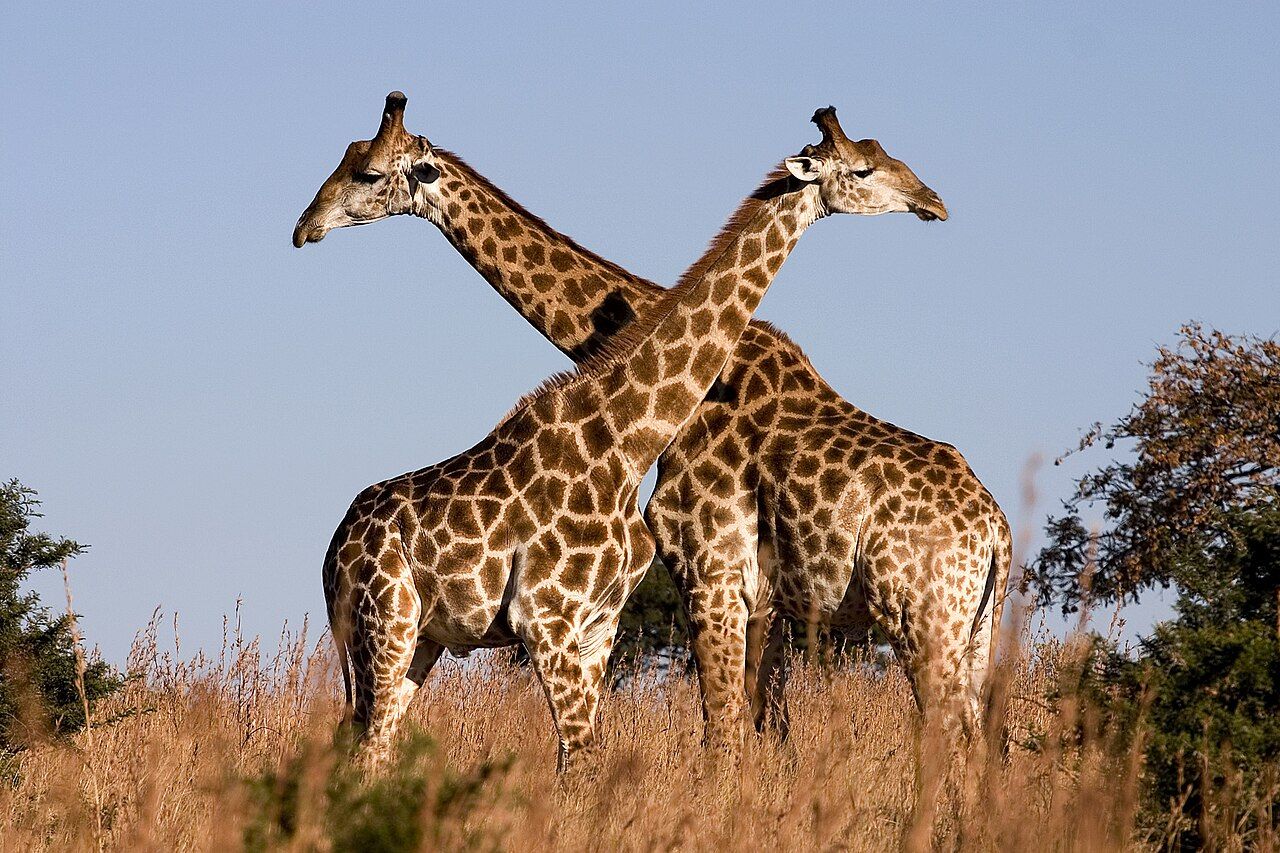
The southern giraffe covers two subspecies: the Angolan giraffe of Namibia, Botswana and neighbouring countries, and the South African giraffe found from South Africa north into Zimbabwe and Mozambique. Southern giraffe populations as a whole have done better than most in recent decades.
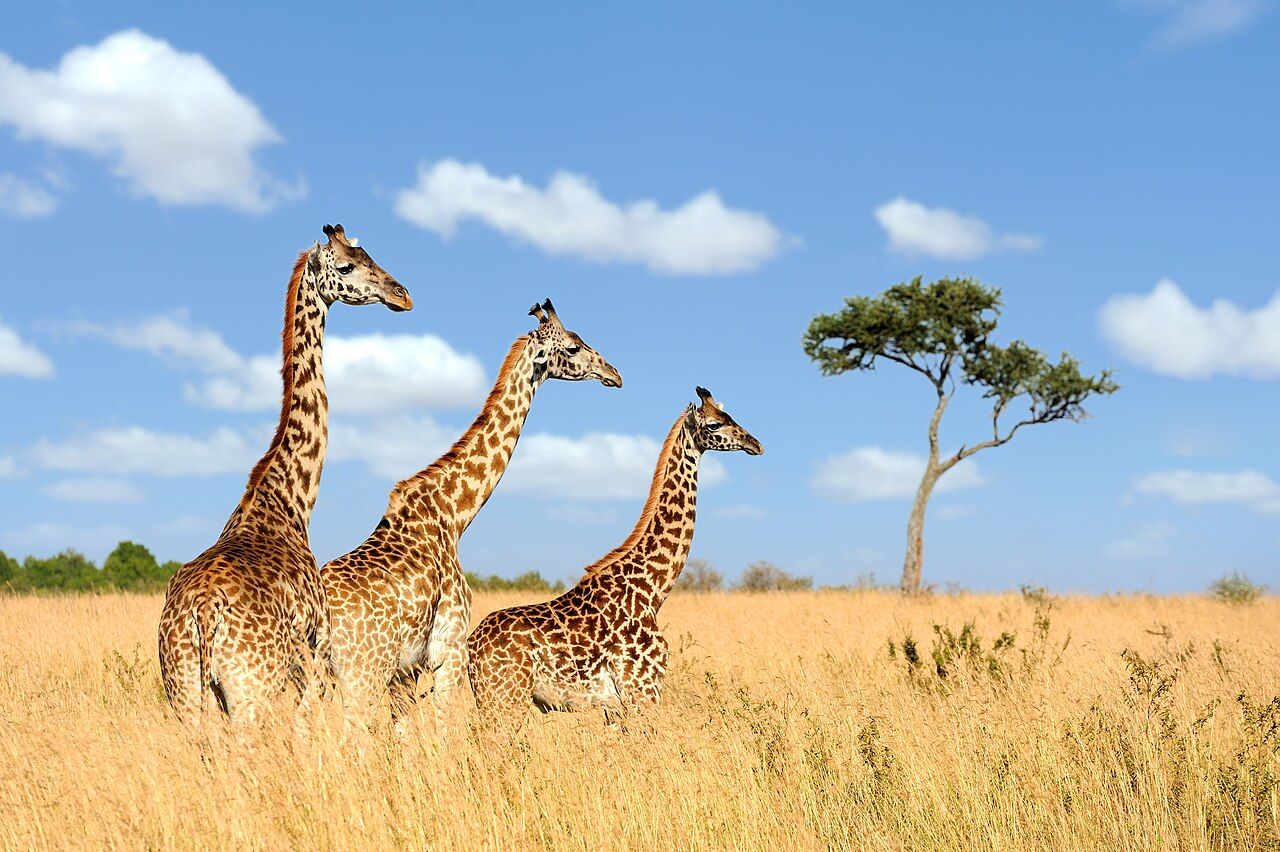
The reticulated giraffe lives in northern Kenya and nearby parts of Ethiopia and Somalia, and is perhaps the most recognisable of all. The Masai giraffe ranges through southern Kenya and Tanzania, and in many arrangements includes the Thornicroft's giraffe of Zambia's Luangwa Valley as a subspecies or close relative.
Reading the coat
Coat pattern is the first and easiest clue, though it varies between individuals and darkens with age, especially in older males. Think of it as a set of tendencies rather than a fixed rule.
- Reticulated: large, sharp-edged, liver-red polygons divided by narrow, bright white lines, like a net thrown over the body.
- Masai: jagged, irregular patches with ragged or star-like edges, often described as vine leaves, on a creamy background.
- Rothschild's (Nubian): large brown patches with broader, creamy lines, and plain pale lower legs with few or no spots below the knee.
- Southern (Angolan and South African): rounded or blotched patches, sometimes with star-shaped edges, and spots that usually run all the way down the legs.
- Kordofan and West African: generally paler and smaller patches, though you are unlikely to compare them side by side.
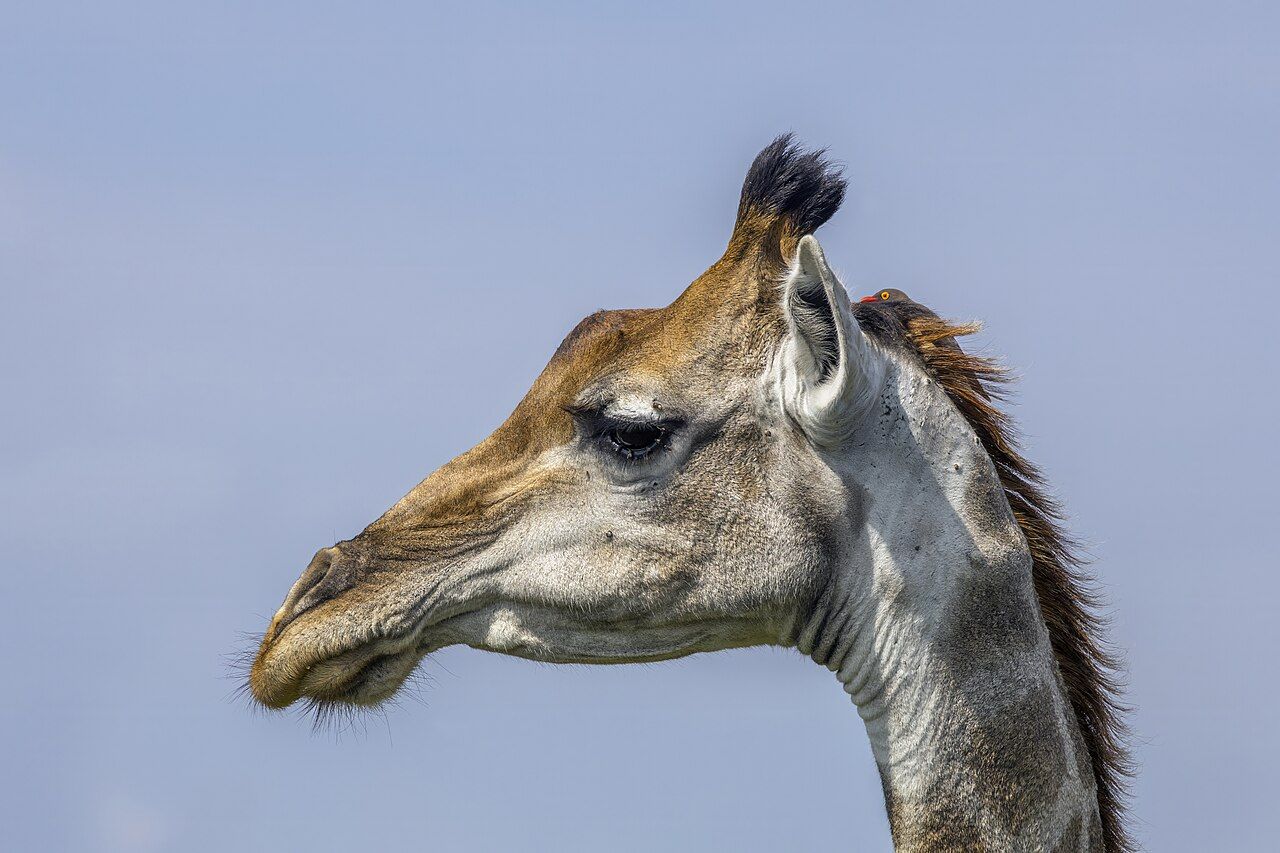
The head can help too. Many northern giraffe males show a pronounced bump in the middle of the forehead, sometimes called a third ossicone, and some Rothschild's bulls carry further small bumps behind the ears.
Where each one lives
The neat thing about giraffe geography is that, in the wild, the species rarely overlap. Where you are tells you most of what you need to know. In Uganda's Murchison Falls and Kidepo you are watching Rothschild's giraffe. On the Serengeti and in southern Kenya the animals are Masai. North of Mount Kenya, in Samburu and the conservancies around it, they are reticulated. Namibia's Etosha holds Angolan giraffe, and Kruger holds South African giraffe.
The exceptions come mostly from people. Giraffe have been moved between reserves for decades, sometimes before anyone knew the genetic differences mattered, and a few private and fenced areas hold animals far from their natural range. Captive giraffe in zoos and breeding centres can be of any kind. If a giraffe looks wrong for the place, it may simply have been brought there.
The northern giraffe is harder to find. West African giraffe live only in south-west Niger, on farmland and bush east of Niamey, and Kordofan giraffe survive in scattered pockets, among them Garamba in north-east DR Congo and Zakouma in Chad. Thornicroft's giraffe, if you count it separately, lives only in the Luangwa Valley of eastern Zambia.
Status, told carefully
Giraffe numbers across Africa fell sharply in the late twentieth century, and current estimates suggest somewhere around a hundred thousand animals or a little more, though counts are uneven and change with each survey. The species are not equally placed. Southern giraffe have held steady or grown in many areas, helped by private land and well-run parks. Reticulated and Masai giraffe declined steeply and are now recovering in some places. Several northern populations remain very small, which is why Kordofan and Nubian giraffe have been listed among the most threatened.
A giraffe that looks the same as its neighbour may belong to a population with a quite different story. A giraffe that looks the same as its neighbour may belong to a population with a quite different story. That is the practical reason the four-species debate matters: protecting a giraffe means knowing which giraffe it is, and conservation groups now plan translocations and surveys with genetics in mind. The longer account of why giraffe numbers fell covers this in more detail.
Telling them apart in the field
Start with location, then confirm with the coat. Bring a field guide with clear plates of each pattern, or save a few reference images before you travel, since signal in many parks is patchy. Look for a side-on view of an adult standing still, ideally in soft early light, when the colours are richest and shadows do not confuse the edges of the patches.
- Check the lower legs: plain and pale suggests Rothschild's; spotted to the hooves suggests a southern giraffe.
- Check the lines between patches: thin and bright white points to reticulated; broad and creamy fits most others.
- Check the edges of the patches: jagged and leaf-like is classic Masai.
- Check the forehead of adult males for a central bump.
Size and height are poor guides, since every kind varies with age and sex, and bulls of all four species are taller and heavier than cows. The ossicones help you sex an animal instead: females and young keep tufts of hair on top, while adult bulls often wear theirs bald and polished from years of sparring.
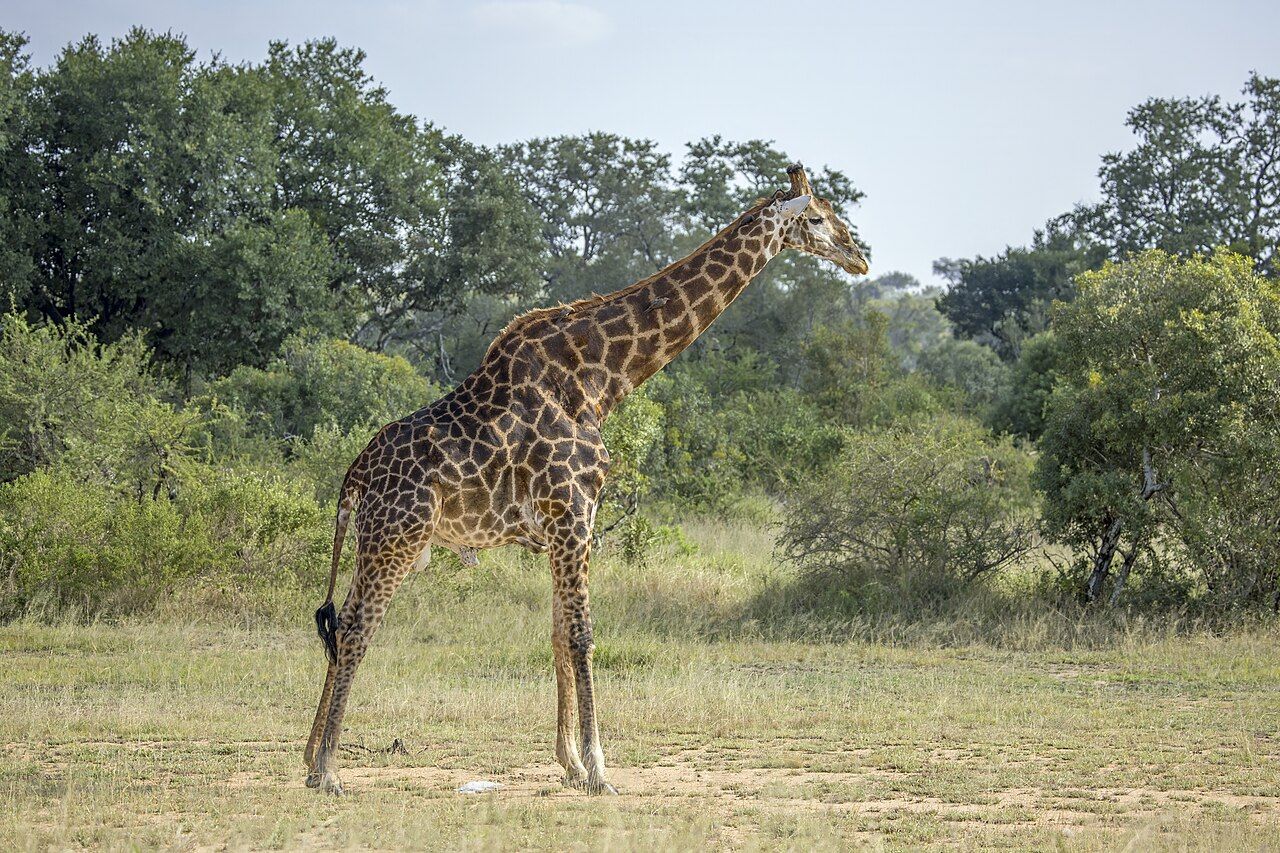
Calves and young animals show paler, softer patterns that sharpen as they grow, so judge from the adults in a group. Light matters more than you might think: harsh midday sun flattens contrast and makes a reticulated coat look almost Masai, while the low sun of late afternoon can turn any coat a deep orange.
Above all, take your time. Giraffe are patient animals, and a group that is browsing will usually let you watch for as long as you like from a respectful distance. Notice how each one moves, which trees it chooses, how the patches sit on the neck. Once your eye adjusts, the differences between kinds become as plain as the differences between faces, and you can carry that knowledge to the photographs you take and to the next park you visit.