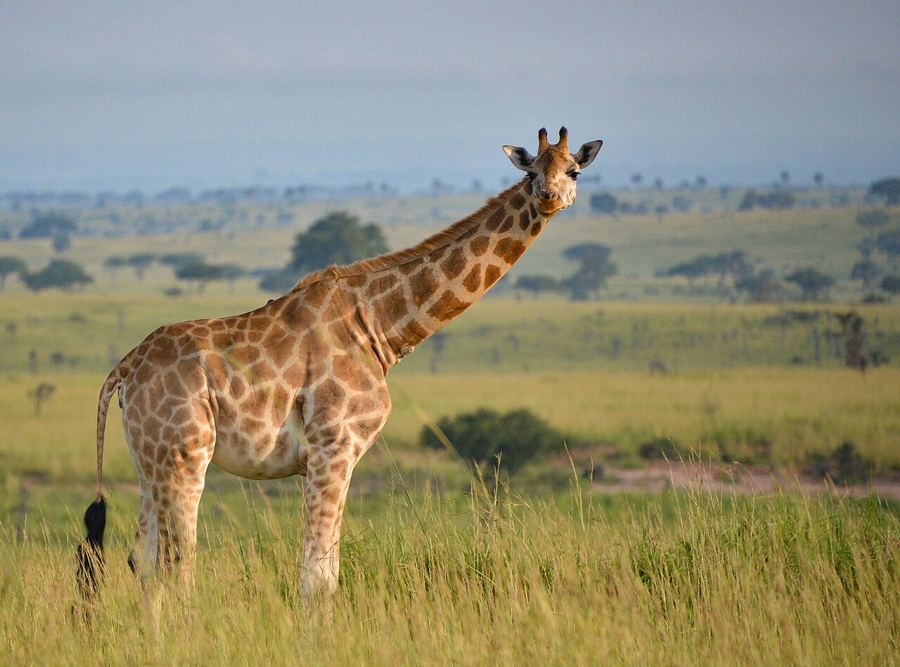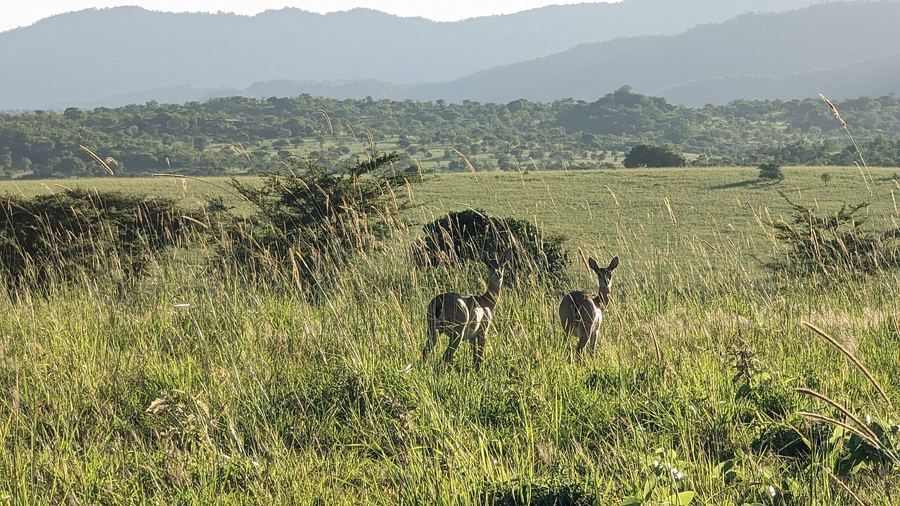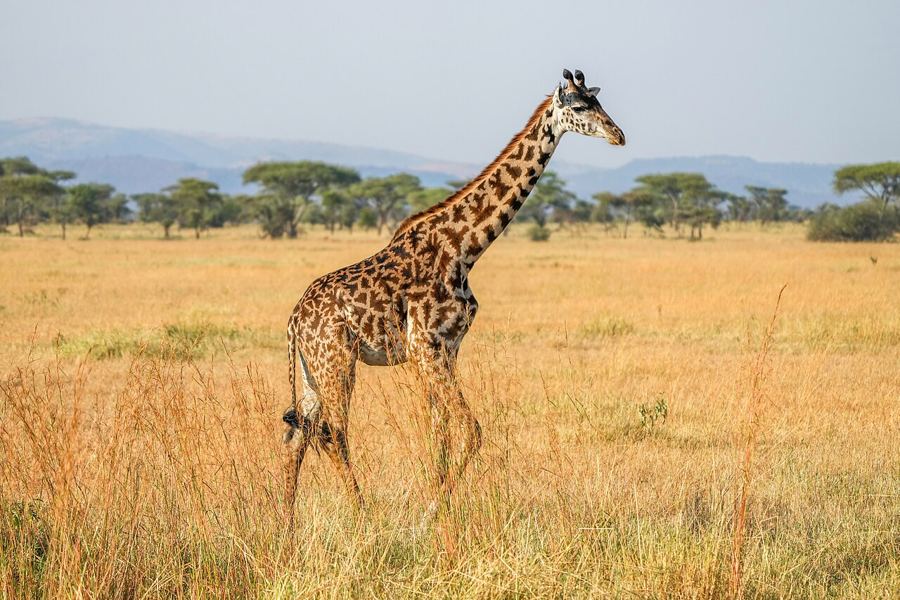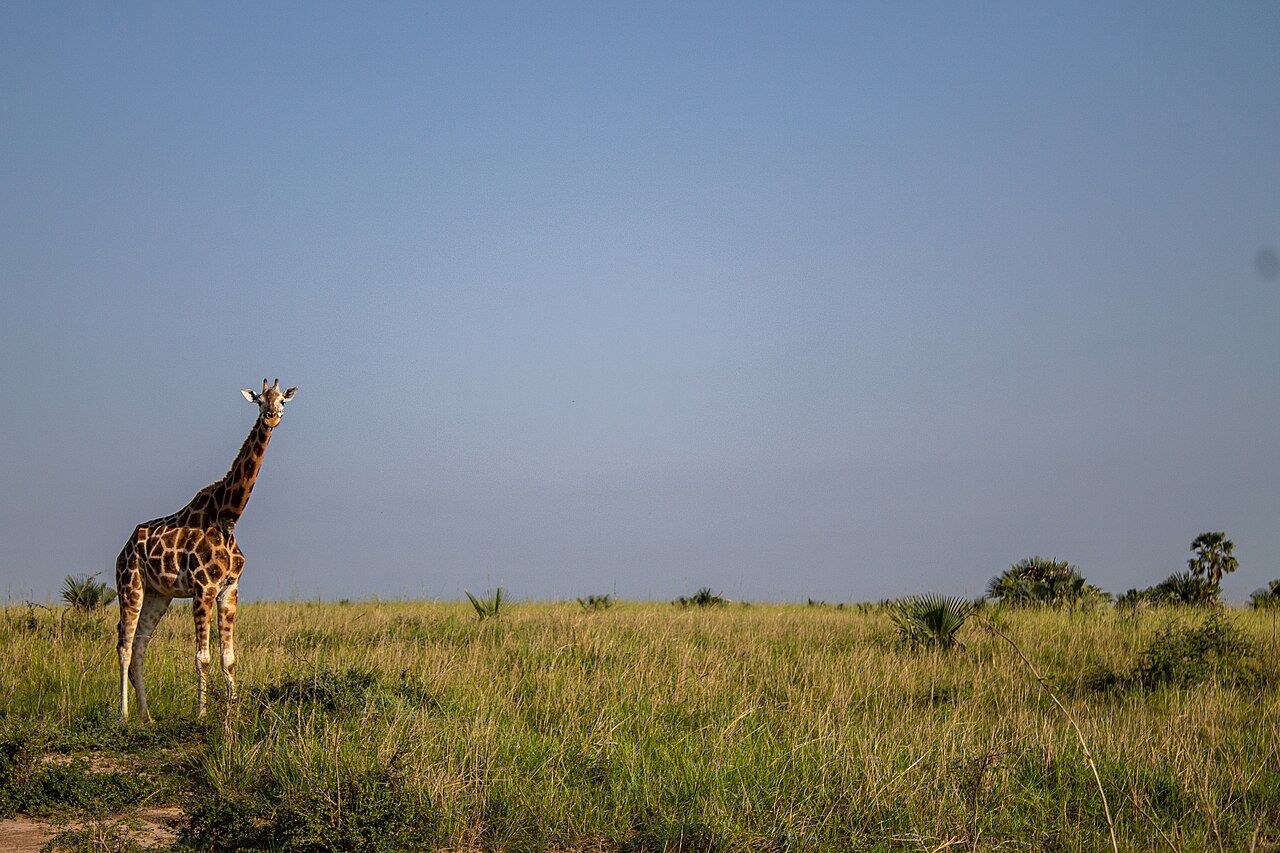
For a long time the giraffe seemed safe. It was common in parks, familiar from picture books, and rarely mentioned in the same breath as rhinos or elephants. Then, in the 2010s, a fuller count across Africa suggested that numbers had fallen steeply over the previous three decades, by perhaps a third or more. The decline had happened quietly, in places few people were watching.
The giraffe was moved to a threatened category on the IUCN Red List in 2016, and several subspecies were later listed as endangered or critically endangered. Since then, counts in some areas have improved, partly through better surveys and partly through real recovery. The picture today is uneven: good news in some regions, continued concern in others.
What drove the decline
There is no single cause. Across much of the giraffe's range, the main pressure is loss of habitat, as bush and woodland are cleared for farms, settlements and roads. Giraffe need large areas of browse, and as their range breaks into islands, small populations become isolated and vulnerable to local disasters.
Hunting for meat, and in some places for tails and hides, has taken a heavy toll, particularly where conflict and poverty weaken protection. Civil wars in parts of central and East Africa wiped out whole populations. Drought, disease and competition with livestock add to the strain. None of these threats is unique to giraffe, which is part of why the decline went unnoticed for so long.
Fences and roads add a quieter problem. Giraffe roam widely in search of browse, and a fenced farm, a new highway or a power line can cut a population off from seasonal feeding grounds. Electrocution on low power lines and collisions with vehicles are a local but real concern in some areas. Disease is less understood: a skin condition that causes crusty lesions on the legs and neck has been seen in giraffe in several countries, and researchers are still working out how much it matters.
Which giraffe are most at risk
Different kinds of giraffe have had very different fortunes, which is one reason the genetic split into four species matters for conservation. Southern giraffe in Namibia, Botswana and South Africa have generally held steady or grown. Reticulated and Masai giraffe fell sharply but show signs of recovery in some areas. The northern giraffe is in the most difficult position, with Kordofan and Nubian populations scattered and small.
Overall, current estimates point to somewhere around a hundred thousand giraffe in the wild, perhaps a little more. Treat any single figure with caution: surveys use different methods, cover different years and are revised as new counts come in.
Moving giraffe to safer ground
One of the most visible tools is translocation: capturing giraffe in one place and releasing them in another where they once lived or where they will be safer. It is demanding work. A giraffe has to be darted, steadied with ropes and a blindfold, loaded into a tall trailer and driven slowly to its new home, with vets watching every step.
Uganda offers a good example. Rothschild's giraffe from Murchison Falls have been moved to other protected areas in the country, including Lake Mburo and Kidepo Valley, creating new herds as insurance against disaster in any single place. Similar moves have restored giraffe to parts of Kenya, Namibia, Chad and elsewhere. Each new population is small at first, and its success is measured over years.
Before any move, conservation groups and wildlife authorities check that the new area has enough browse, water and protection, and that the giraffe chosen are the right kind for the region. Mixing different subspecies in one place is now generally avoided, a lesson learned from earlier moves made before the genetic differences were understood.
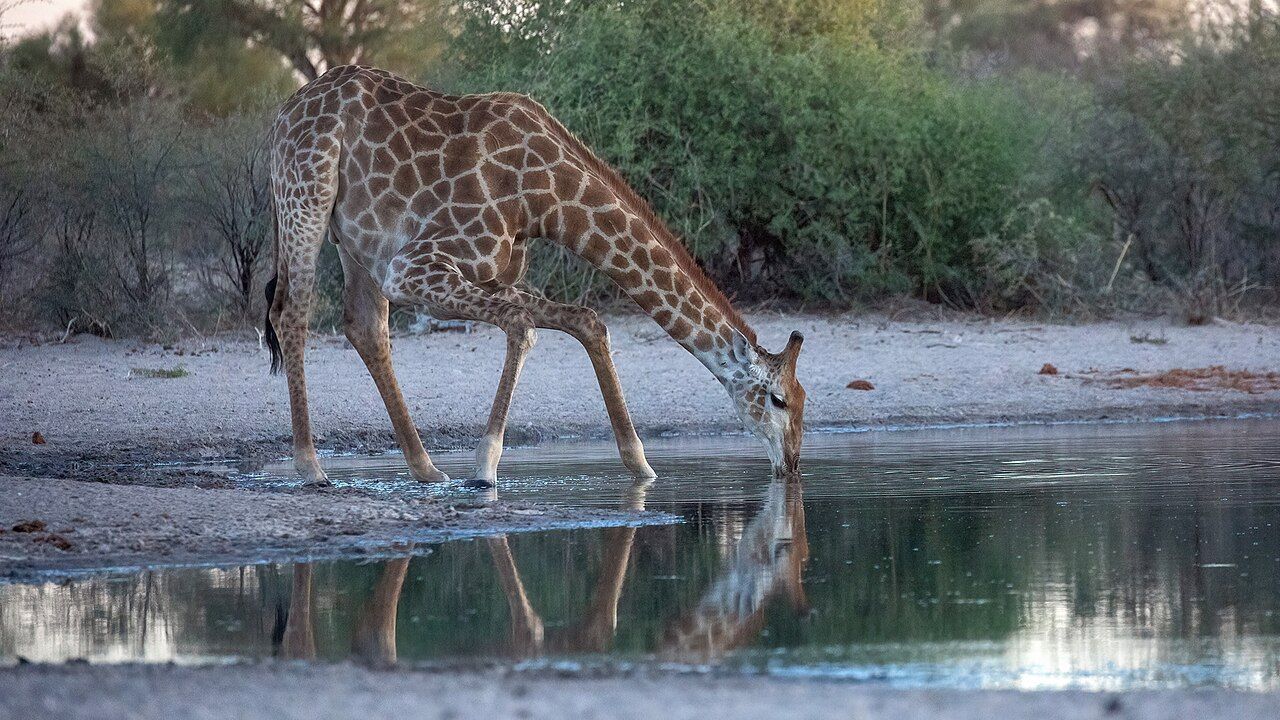
People and giraffe sharing land
Most of Africa's wildlife lives outside national parks, and giraffe are no exception. Community conservancies, where local people manage wildlife on their own land and share in the income it brings, have become central to recovery in places such as northern Kenya and north-west Namibia. Where giraffe are worth more alive, poaching tends to fall.
The story of the West African giraffe in Niger is the most striking case. Reduced to a few dozen animals in the 1990s, the population has grown to several hundred, living on farmland and bush near villages rather than in a fenced park. Their recovery rests largely on the tolerance of farmers who share their fields with them.
Elsewhere the pattern repeats in quieter ways. In north-west Namibia, giraffe live alongside herders in conservancies where game guards monitor wildlife and report poaching. In northern Kenya, community rangers do similar work, and reticulated giraffe counts there have improved in recent surveys.
What you can do as a visitor
Travel itself can help, when it supports parks and communities that protect wildlife. Park fees fund rangers and research, and conservancies depend on visitors to make wildlife pay. Keep to park rules, keep your distance from animals and never feed them. Report injured giraffe, snares or anything unusual to rangers rather than intervening yourself. If you see a giraffe with a snare wound or a limp, note the place and time and pass it on; reports like that have led to treatment for injured animals.
You can also simply pay attention. Notice which kind of giraffe you are watching, how many calves are in a group, whether a herd looks healthy. Conservation groups increasingly use photographs from visitors to identify individuals by their coat patterns, which are as unique as fingerprints.
The giraffe's decline was quiet, and its recovery has been quieter still. It continues herd by herd and valley by valley, and it is worth noticing when you see it.