North of Mount Kenya the land drops away into a world of heat, red earth, thorny scrub and rocky hills. Three reserves sit close together here: Samburu National Reserve on the north bank of the Ewaso Ng'iro river, Buffalo Springs on the south bank, and Shaba a little to the east. Together they protect a stretch of dry country that feels very different from the grassy parks of southern Kenya, and they are among the best places to see the reticulated giraffe.
The reserves are managed by local county authorities rather than as national parks, and fees and rules can differ between them.
The reticulated pattern
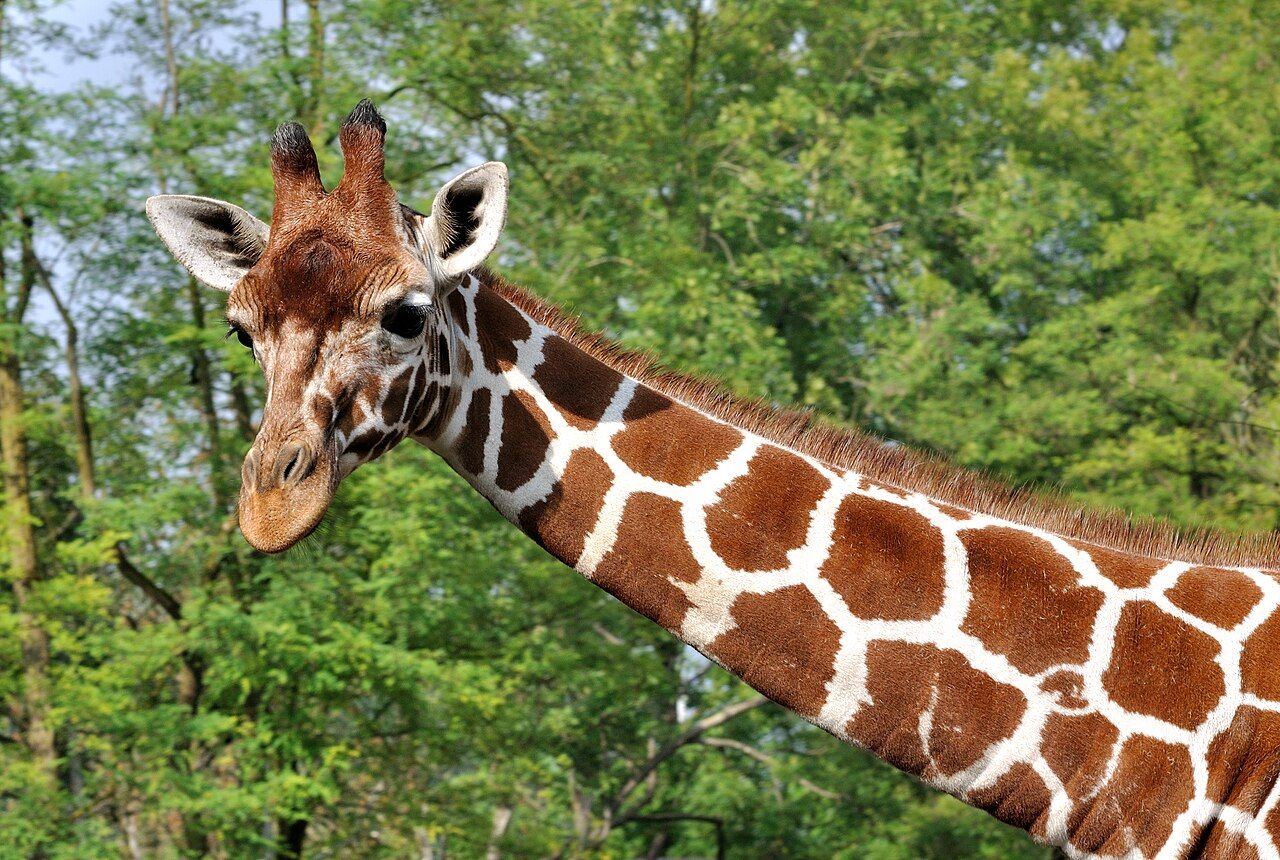
The reticulated giraffe has the most striking coat of any giraffe. Large, polygonal patches of deep liver-red or orange-brown are separated by narrow, bright white lines, giving the effect of a net or a tiled mosaic. The pattern extends down the legs, often fading towards the hooves, and the lines are sharp and clean in a way no other giraffe matches.
Reticulated giraffe live in northern Kenya and neighbouring parts of Ethiopia and Somalia. In the genetic arrangement described in four giraffe species, they are treated as a species in their own right. Their numbers fell steeply in recent decades, but in northern Kenya, where community conservancies now protect much of their range, they are showing signs of recovery.
In the field they are easy to pick out, even at a distance, because the white lines catch the light. Younger animals show paler, more orange patches, and the lines between them look wider. Reticulated giraffe also live on the Laikipia plateau to the south-west and across the conservancies of northern Kenya, so the reserves are only part of their story.
The Ewaso Ng'iro river
The Ewaso Ng'iro is the lifeline of the region. Rising on the slopes of the Aberdares and Mount Kenya, it flows north and east through the reserves, its banks lined with doum palms, acacia and tall riverine trees. In the dry season it may shrink to a series of channels and pools, but it remains the most reliable water for miles.
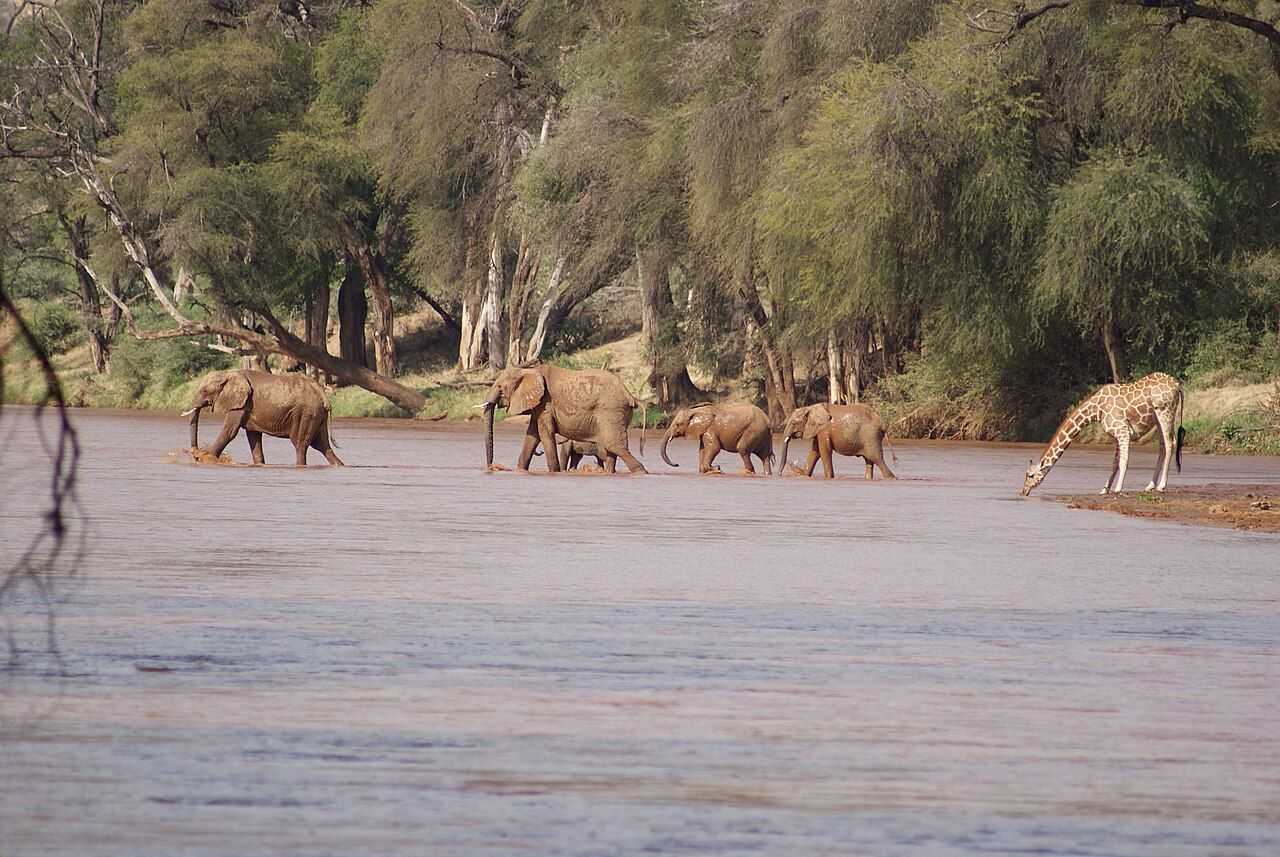
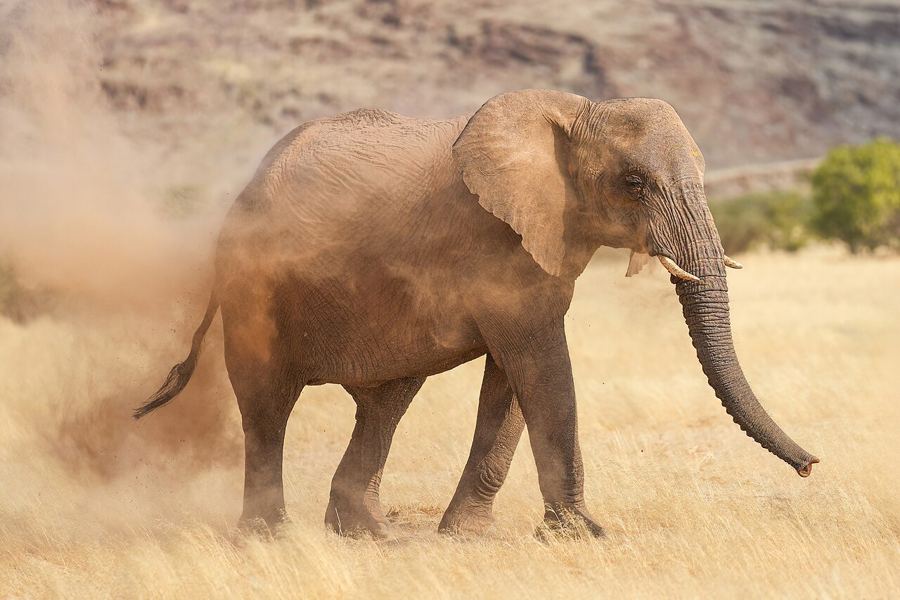
Much of the wildlife viewing centres on the river. Elephants come down to drink and cross, sometimes in large family groups. Giraffe browse the trees along the banks and drink at the water's edge, spreading their front legs wide. Crocodiles lie in the shallows, and the riverine forest holds birds and monkeys. Driving the river tracks in the late afternoon is one of the best ways to spend time here.
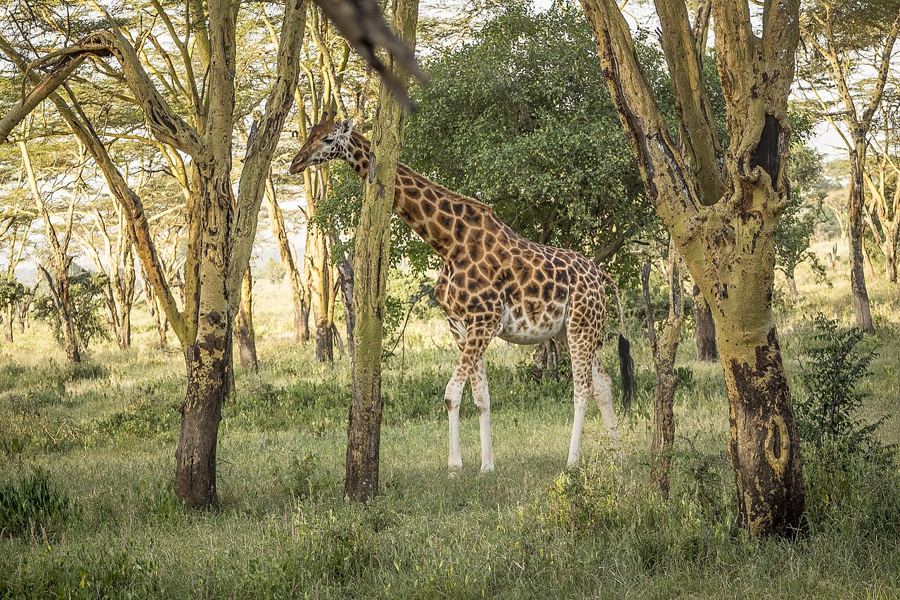
The doum palms along the river are worth a second look. They are among the few palms that branch, splitting into forks topped with fans of stiff leaves, and elephants eat their hard fruit. Giraffe browse the acacias and other trees between them, and a giraffe framed by palms and brown water is a scene that belongs to this river alone.
The dry-country animals
Samburu is known for a group of animals adapted to arid country and found in few other Kenyan parks, often called the Samburu specials. Alongside the reticulated giraffe, they include Grevy's zebra, with narrow stripes and large rounded ears; the Beisa oryx, with long straight horns; the gerenuk, a slender antelope that stands on its hind legs to browse; and the Somali ostrich, with blue-grey skin on the neck and legs.
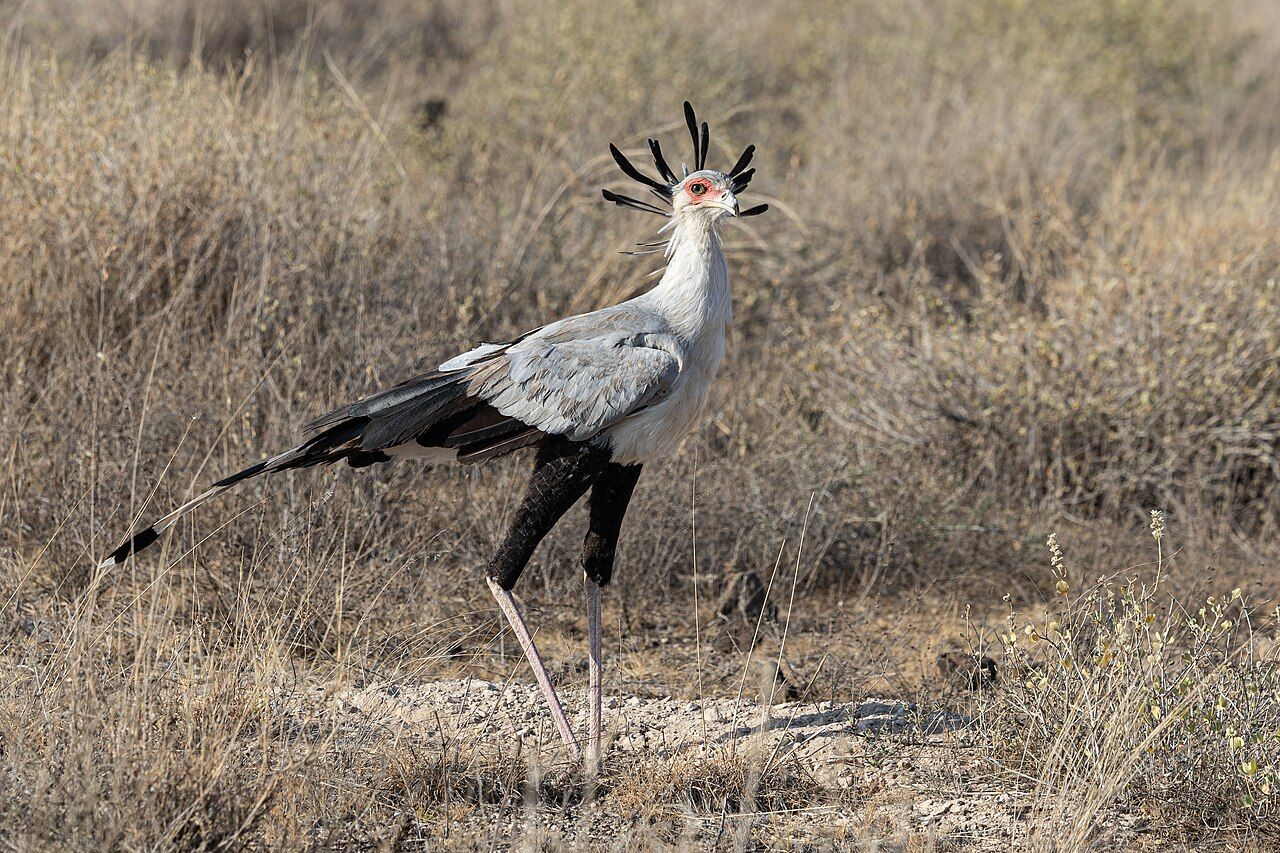
Lions, leopards and cheetahs live in the reserves, and wild dogs pass through occasionally. Birdlife is rich, with hornbills, starlings and birds of prey, and secretary birds walk through the scrub hunting snakes and insects.
Buffalo Springs and Shaba
Buffalo Springs, across the river from Samburu, takes its name from springs that feed clear pools. Its landscape is similar, with open scrub, volcanic rock and riverine woodland, and its tracks often see fewer vehicles. Shaba, to the east, is wilder and rockier, with a large volcanic hill and springs that support palms and green patches in the dry country. Giraffe are found across all three, and moving between them adds variety to a stay.
Each reserve has its own gate and its own fees, though arrangements can change. Rangers at the gates can tell you which tracks are open and where animals have been seen recently. Take their advice, since some tracks become impassable after rain.
The reserves lie north of Isiolo, a few hours' drive from Nairobi on a paved highway that continues north towards the Ethiopian border. Archer's Post, a small town close to the reserve gates, is the last stop for many visitors. Small airstrips also serve the area. Within the reserves, tracks are mostly gravel and sand, and a high-clearance vehicle is wise. Isiolo is the last large town with banks and reliable fuel, so stock up there.
The region is hot and dry for much of the year, with short rainy periods around April and May and again around November. The drier months see animals concentrate along the river, making viewing easier. Even then, mornings and late afternoons are the best times to be out, with the midday heat sending most animals into shade. Bring sun protection and plenty of water. For more on how seasons shape giraffe watching, see when to go.
Watching with care
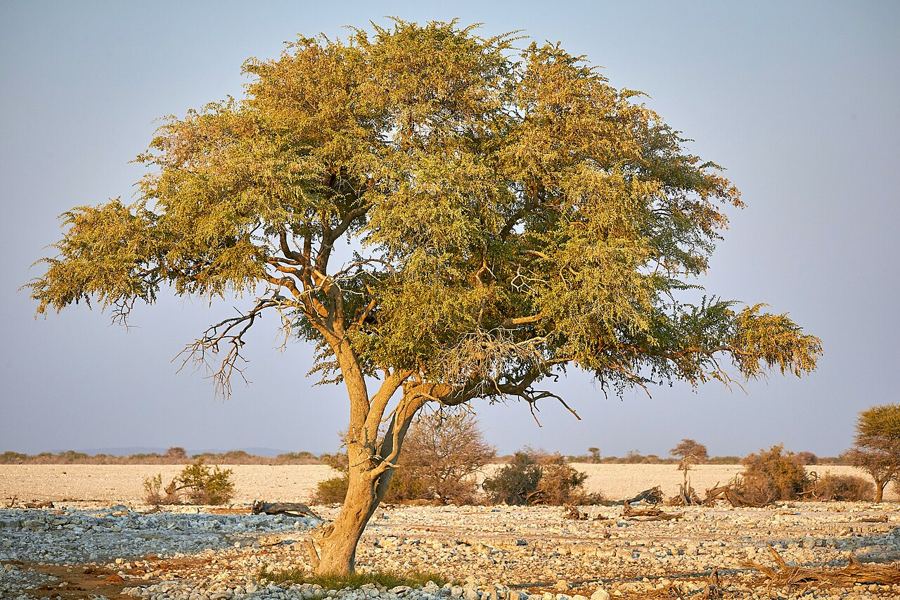
Reticulated giraffe here are used to vehicles and often browse calmly by the roadside. Give them space, turn off the engine and let them carry on. Avoid blocking their path to water. Midday heat drives giraffe into whatever shade there is, and you may find them standing motionless under a lone acacia, chewing the cud with eyes half closed. Late in the day they become active again, moving towards the river and browsing as they go. Community conservancies around the reserves also offer giraffe viewing, often with fewer visitors, and income from visitors helps support the people who share their land with wildlife.