Etosha National Park lies in northern Namibia, a vast area of grassland, mopane woodland and thorn scrub around the edge of a great salt pan. The pan itself is so large it can be seen from space, a flat white expanse that shimmers in the heat and stretches beyond the horizon. Water is the key to everything here. Around the pan's edge, springs and boreholes feed waterholes, and in the dry season they draw animals from far and wide.
This is one of the best places in Africa to watch giraffe drink. The Angolan giraffe of Etosha come to water regularly, and the open landscape lets you watch them approach, hesitate and finally spread their legs to bend down to the surface. It is a scene of patience and tension, and you can take in all of it from your own car.
The salt pan
The Etosha Pan was once a lake, fed by rivers that changed course long ago. Today it is mostly dry, a crust of salt and clay that holds water only briefly after good rains. When it does, flamingos sometimes arrive to breed, but for most of the year the pan is empty. Its edge is lined with grassland and scrub, and the light reflecting from it gives the park a bleached, otherworldly feel.
The name Etosha is usually translated as great white place, and on a hot afternoon it is easy to see why. Mirages ripple over the surface, and animals walking along its edge seem to float above the ground.
Roads run along the southern edge of the pan, linking waterholes and the main rest camps. Viewpoints let you drive a short way onto the pan for a sense of its scale, though you must stay on the marked track.
Floodlit waterholes
Several of the rest camps in Etosha have waterholes beside them, lit at night. The best known is at Okaukuejo, in the south-west, where a low wall separates a viewing area from the water. After dark, under soft floodlights, animals come to drink: elephants, rhinos, giraffe, lions and others.
Night at the waterhole is quiet, slow and often extraordinary. Night at the waterhole is quiet, slow and often extraordinary. You may wait an hour with nothing, then watch a giraffe walk in from the darkness, stand for long minutes at the edge, and finally lower its head to drink. Rhinos may follow, or a family of elephants. Keep voices low and lights off, and the animals will carry on as if no one were there. Camps with floodlit waterholes are open only to those staying inside.
Okaukuejo is not the only one. Other rest camps in the park have floodlit waterholes too, and each draws a different mix of animals depending on the season and the cover around it. Bring a warm layer, a cushion and binoculars, and expect long, peaceful stretches with nothing to watch but the stars.
Self-driving the park
Etosha is one of the most accessible parks in Africa for self-drivers. The main roads are gravel and generally in good condition, suitable for an ordinary car in the dry season, though a higher vehicle gives better views. Maps show waterholes and loops, and you can plan your own route, stopping wherever you like. For a broader comparison, see self-drive or guided.
The rules are simple but strict. You must stay in your vehicle except at designated places, keep to the speed limit, and be inside a rest camp or out of the park by the time the gates close at sunset. Gate times change with the seasons. Fines apply for breaking rules, and the restrictions protect both you and the animals. Fuel is available at the main camps, but carry enough water and food for the day.
Distances inside the park are long, and a drive from one side to the other takes most of a day once you stop at waterholes. Plan a route that keeps you within reach of a camp by gate-closing time, and resist the urge to squeeze in one more waterhole late in the afternoon.
Dry-season gatherings
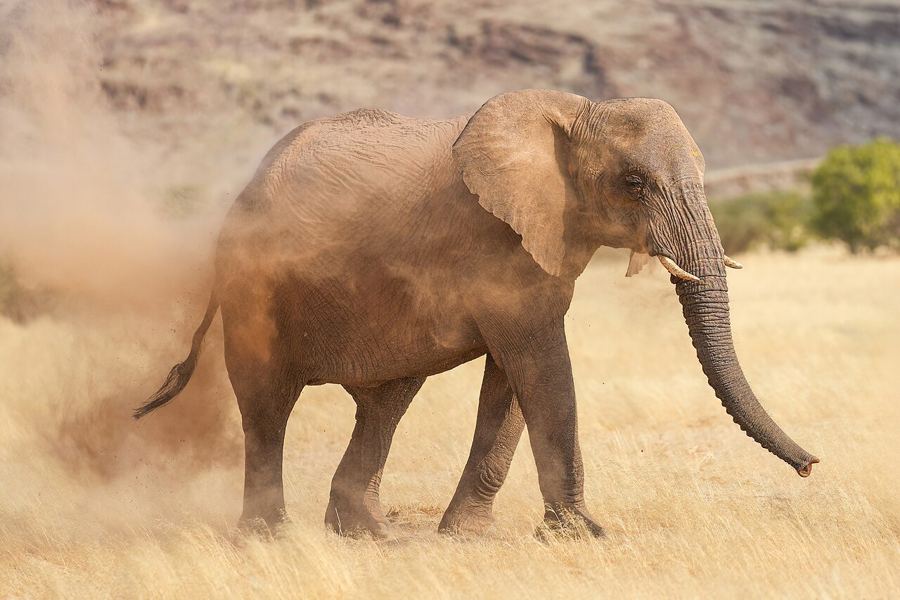
Etosha's rainy season runs roughly from November to April. When rain falls, water collects in many places, and animals disperse across the park. As the land dries, from around May onwards, they move back towards the permanent waterholes. By the late dry season, around August to October, the gatherings can be remarkable: herds of zebra, springbok, wildebeest and oryx, elephants in numbers, and giraffe arriving in twos and threes.
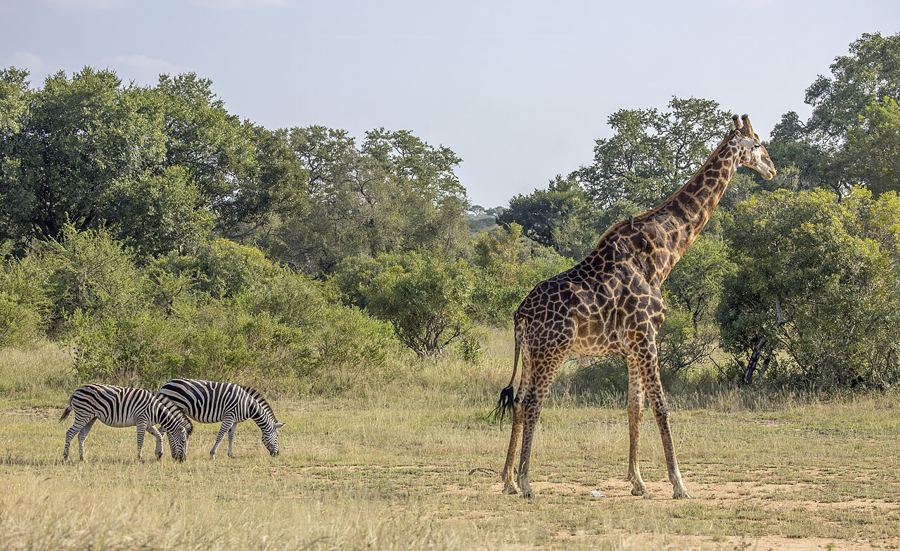
The giraffe here are Angolan giraffe, a southern giraffe with large, dark, notched patches that run down to the hooves. You can compare them with other kinds in four giraffe species. At the waterholes, watch how they approach slowly, scanning for lions, often waiting while other animals drink first. When they lower their heads, their legs splay wide, and they drink in short bursts, raising their heads between sips.
In the hottest months, dust devils spin across the plains and heat haze blurs the horizon. Animals arriving at the water come out of that haze slowly, a giraffe's neck and head appearing first, long before its body is clear.
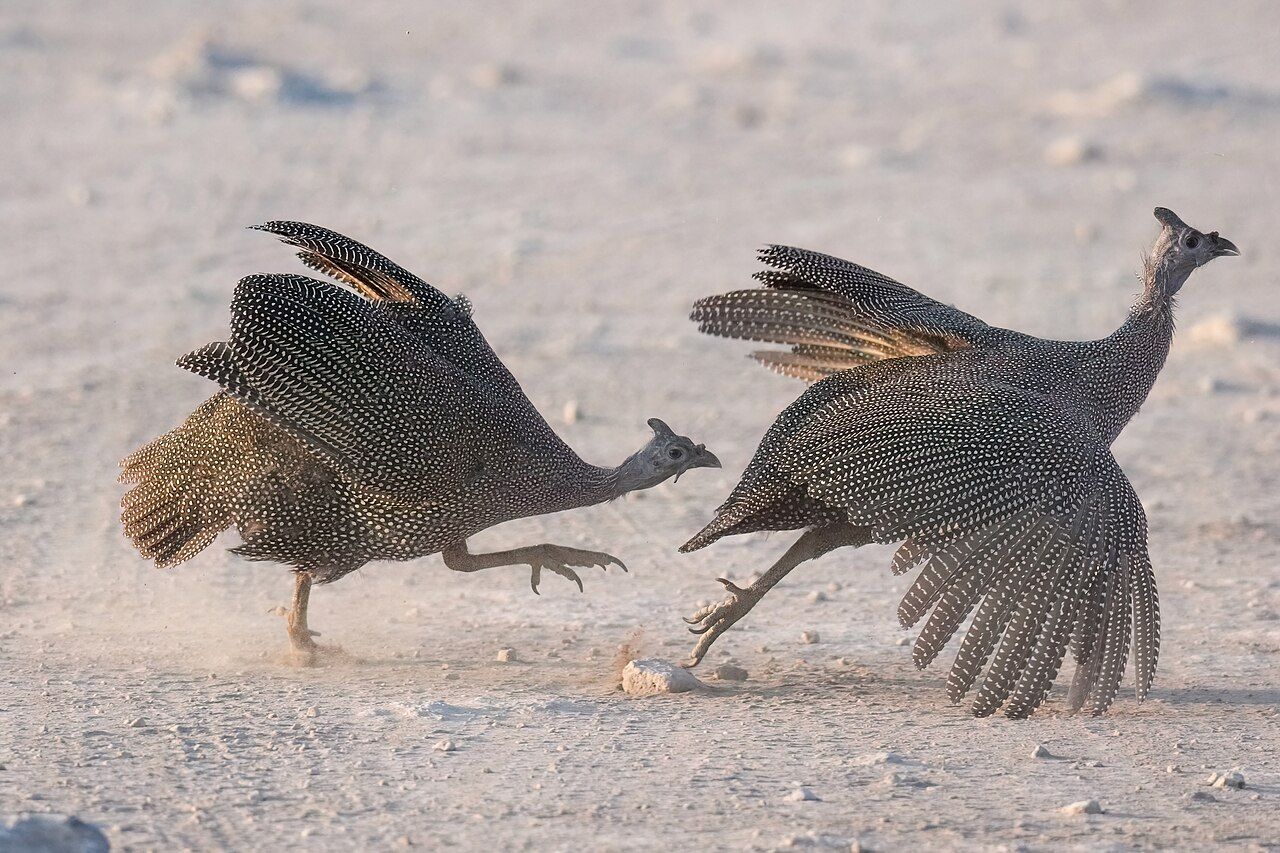
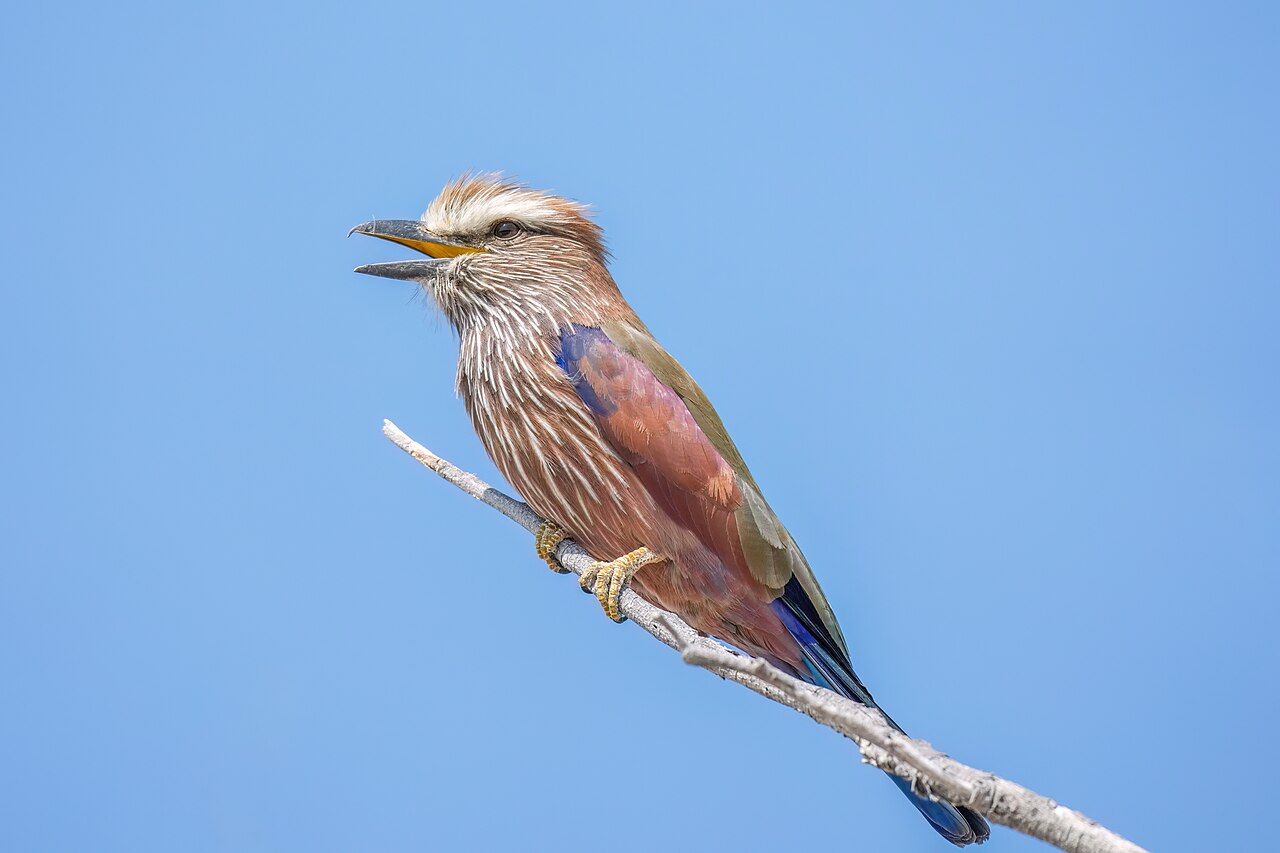
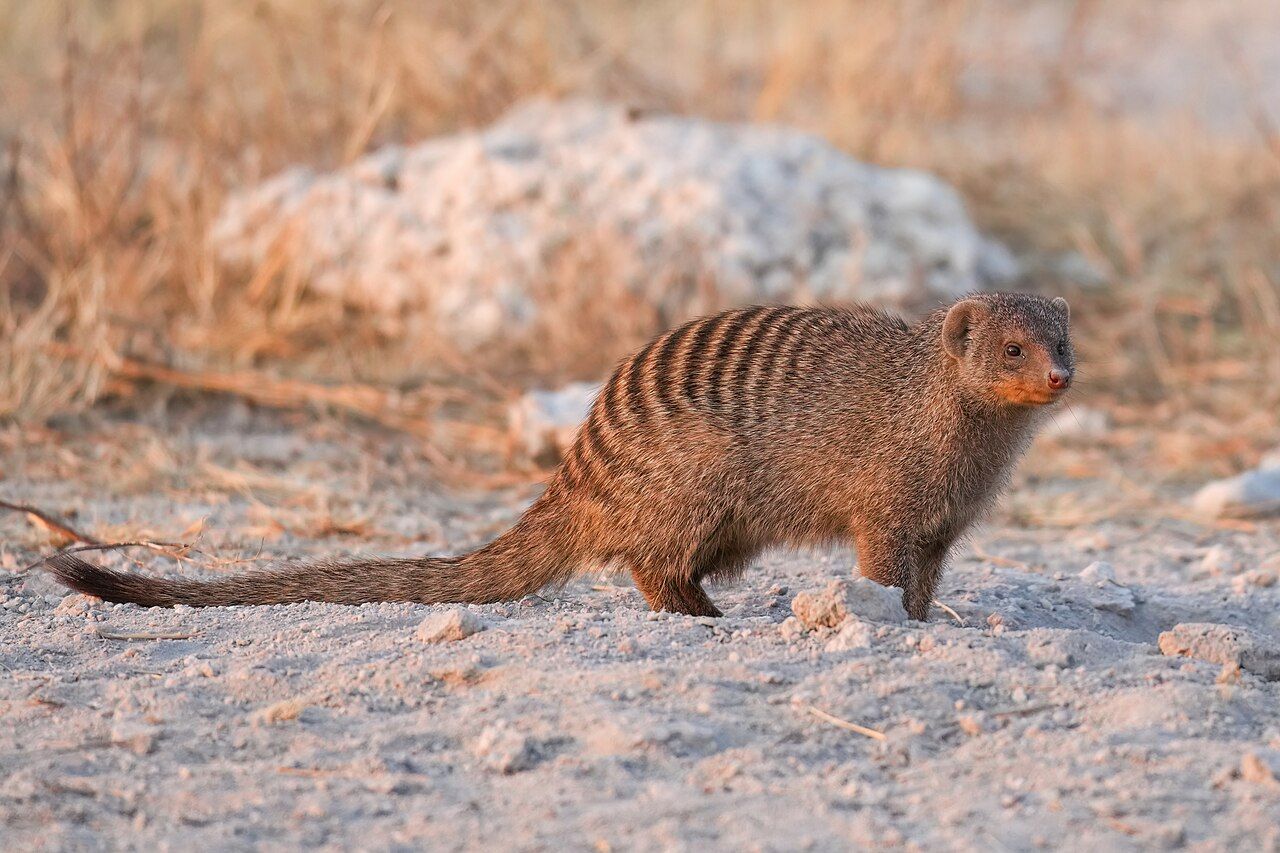
Smaller lives fill the quiet hours between big sightings. Helmeted guineafowl squabble along the roadsides, banded mongooses forage in busy troops, and rollers hunt from bare branches. Watching them passes the time while you wait for a giraffe to come and drink.
Choosing your waterholes
Each waterhole has its own character. Some are springs fed from underground, others are pumped from boreholes, and their attraction varies through the year. In the west, around Okaukuejo, open plains surround the water and giraffe can be seen walking in from far away. Farther east, around Halali and Namutoni, woodland is thicker and waterholes are more enclosed.
Well-known waterholes include Nebrownii, Gemsbokvlakte and Olifantsbad in the west, Rietfontein and Goas near Halali, and Chudop and Klein Namutoni in the east, though which ones are busiest changes from year to year with rain and pumping. West of Okaukuejo, a stand of oddly twisted moringa trees, often called the haunted forest, makes a curious detour.
The best approach is to choose a waterhole, park with a good view and wait. Turn off your engine, have binoculars ready and give it time. Late afternoon, when animals that have been resting in the shade come to drink, is often the most rewarding. For more on reading giraffe behaviour, see how a giraffe lives.
Getting there and staying well
Etosha lies several hours north of Windhoek by paved road, with gates on the south, east and west sides of the park. Rest camps within the park are run by the national parks authority. Nights in the dry season can be cold, so bring a warm jacket for evenings at the waterhole. Malaria is a risk in the north, especially in the wet season, so ask a doctor for advice before you travel.