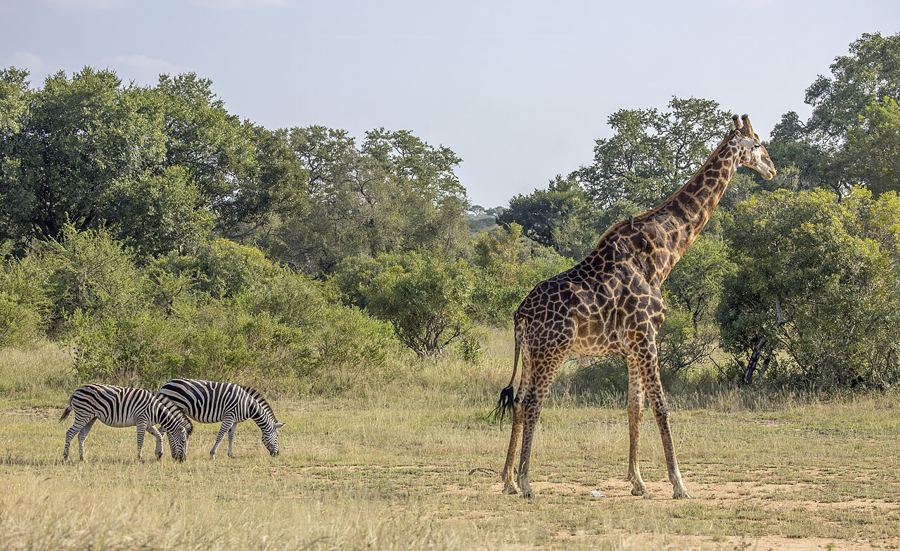
North-west Namibia is a land of stony hills, gravel plains and red mountains, cut by the beds of rivers that flow only after rare rain. Rainfall is low and unpredictable, and the country can look empty for miles. Yet giraffe live here, along with elephants, black rhinos, lions and oryx, all adapted to survive with very little water.
The area once called Damaraland, now part of the Kunene region, is the best place to see them. The giraffe here are Angolan giraffe, the same kind found in Etosha to the east, but their way of life is shaped by the desert.
Living in dry river beds
The key to survival in this landscape is the ephemeral rivers. The Hoanib, Hoarusib, Huab and others rise in the higher country to the east and run west towards the Atlantic. Most of the year their beds are dry sand, but water flows beneath the surface, and it supports lines of large trees along the banks, including ana trees, camelthorn, mopane and others.
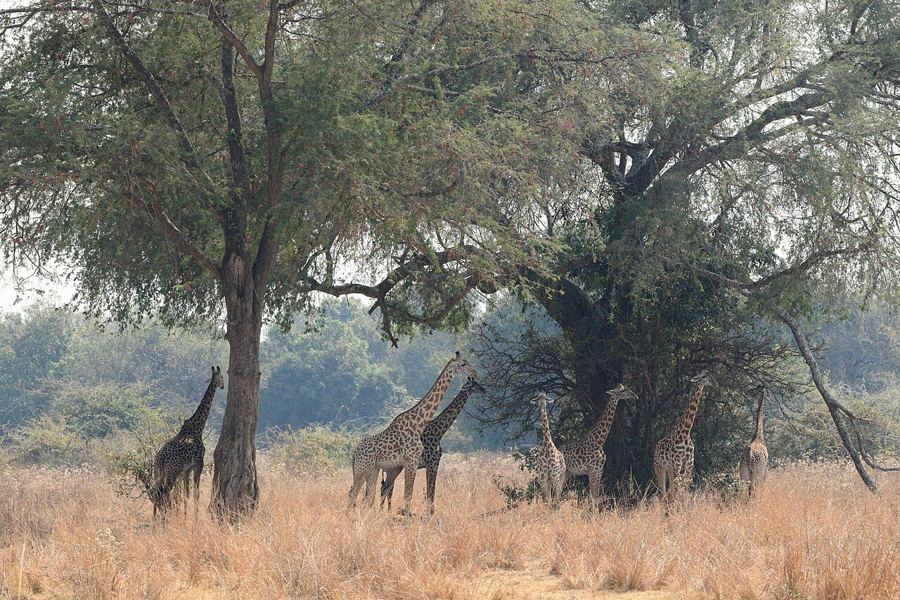
Giraffe follow these rivers like green corridors through the desert. They browse the trees and the pods that fall from them, and they can go long periods without drinking, getting most of their water from their food. Their range is huge, and groups move up and down the river beds depending on where the trees are in leaf.
The Hoanib is perhaps the best known of these rivers. Its lower reaches cross gravel plains and dunes before ending in a floodplain not far from the coast, and giraffe have been seen far down the river, where the desert is at its starkest. A giraffe here may walk many kilometres between trees, and home ranges in this country are far larger than in wetter parks.
Other desert wildlife
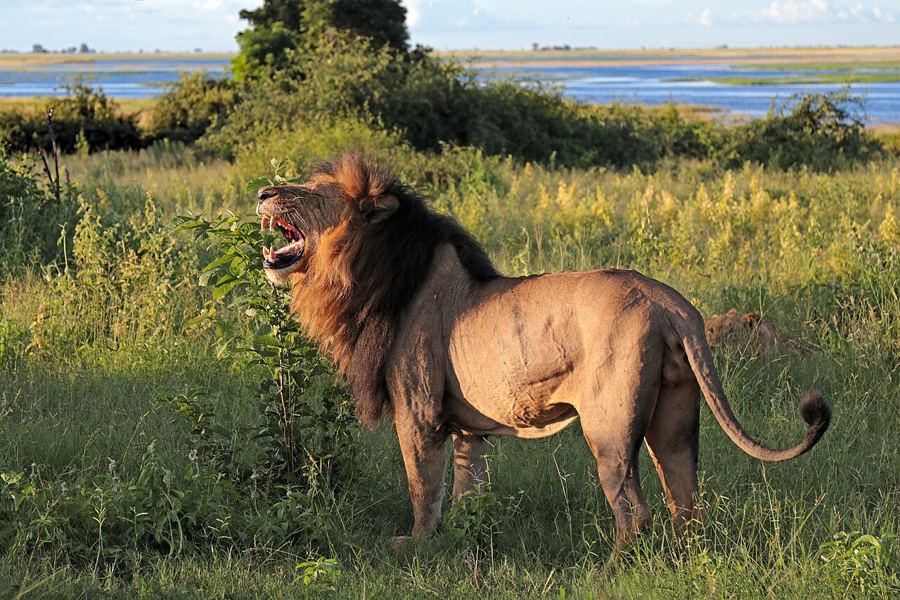
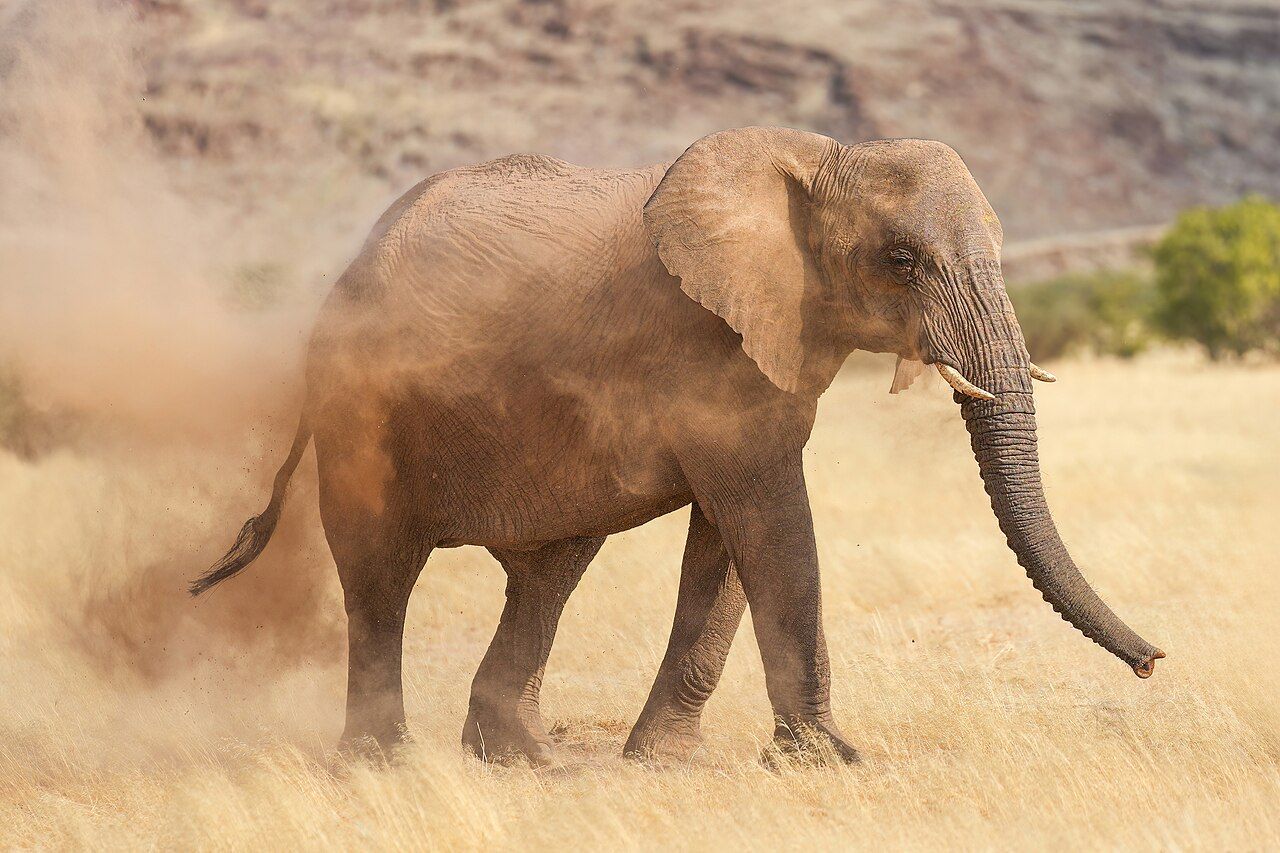
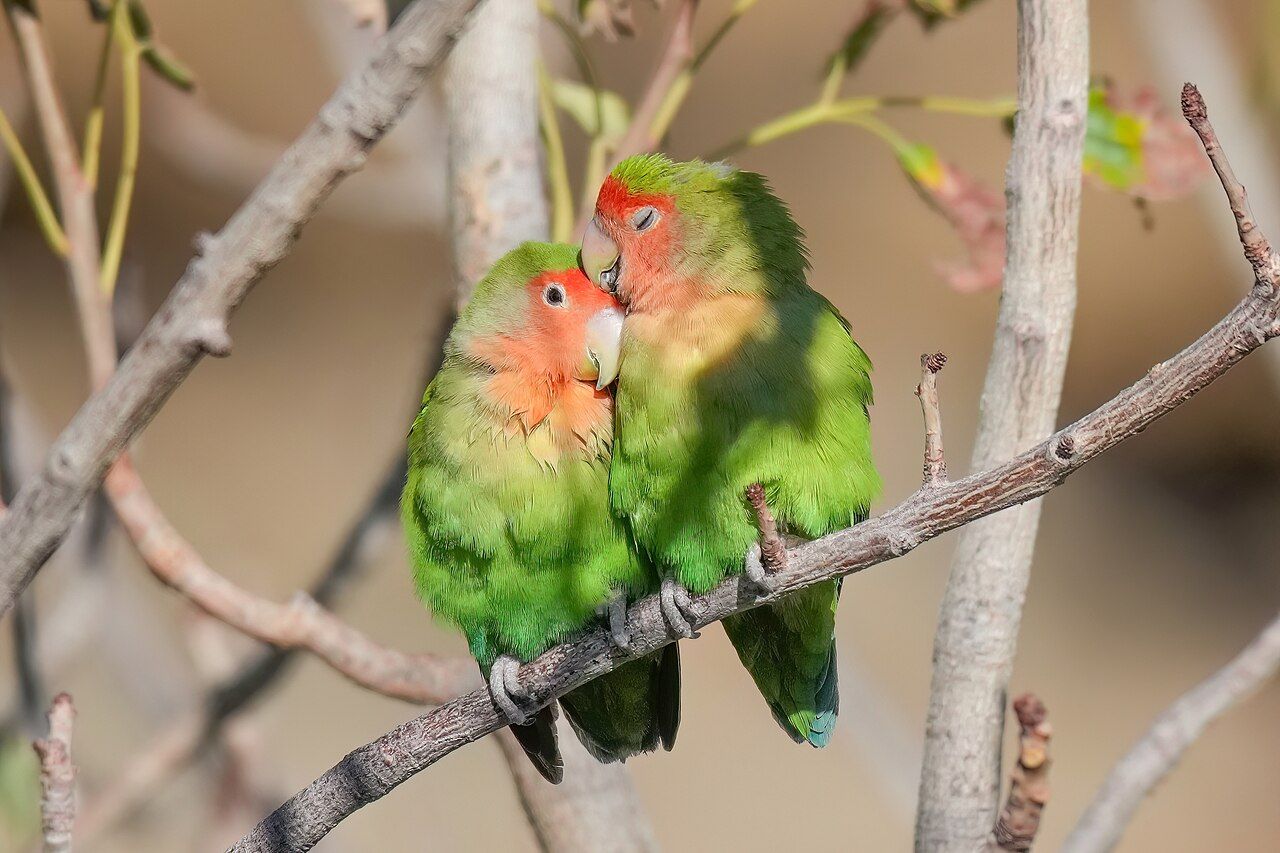
The river beds are shared with desert-adapted elephants, which travel long distances between water sources and know the land intimately. Black rhinos live in the hills, protected by rangers and community monitors. Lions roam the rivers, and oryx and springbok cross the open plains. Birds such as rosy-faced lovebirds gather around springs and in the shade of trees.
Seeing these animals in such a harsh setting is very different from watching them in a well-watered park. Sightings are fewer, and you have to work for them, but each one feels significant. The desert giraffe, tall against red rock and empty sky, is one of the region's great images.
Community conservancies
Much of north-west Namibia is communal land, home to Himba, Herero, Damara and other people who raise livestock. Since the 1990s, communities here have been able to form conservancies, managing wildlife on their own land and earning income from tourism and other uses. This system is widely credited with helping wildlife recover in the region after heavy losses in earlier decades.
The conservancies employ local people as game guards and monitors, and income from visitors supports community projects. When you travel through them, you are often on someone's home ground. Respect local rules, ask before photographing people, and support community enterprises where you can. The broader story of giraffe recovery is told in where giraffe are recovering.
In some areas, giraffe and goats browse the same trees, and balancing wildlife against livestock is part of what each conservancy has to manage. On the way north, many travellers stop at Twyfelfontein, a World Heritage site with thousands of rock engravings, among them images of giraffe carved long ago by people who knew this land well.
Careful 4x4 travel
This is remote country, and travel here needs care. Roads are gravel, sand or rock, distances are long and fuel stations few. A well-equipped 4x4 is essential, with two spare tyres, plenty of water and fuel, and recovery equipment. Some areas are only accessible with a guide or permit, and some river sections are restricted to protect wildlife. Where possible, travel with a second vehicle, carry a satellite messenger, and leave your planned route with your next stop.
Driving in river beds needs particular caution. Sand can be soft and deep, and flash floods can come down a river with little warning after rain far upstream. Never camp in a river bed. Stay well back from elephants, which may be nervous of vehicles, and give giraffe and other animals room to pass. For more on choosing how to travel, see self-drive or guided.
The dry season, from about May to October, is the most comfortable time to travel. Days are warm to hot, nights can be cold, and the sky is usually clear. Rain, when it comes, falls mostly between November and April, and can make some roads difficult or impassable. Even in the wet season, rainfall is light and patchy, and the landscape stays largely dry.
Heat in the river valleys can be intense even in the cooler months, and on some mornings fog from the cold Atlantic rolls inland, cooling the lower reaches of the rivers before the sun burns it away.
Whenever you go, start early. Morning light is soft and animals are more active before the heat builds. Midday is for resting in shade, and the late afternoon brings a second chance to find giraffe as they move along the river beds.
Watching desert giraffe well
Desert giraffe are often wary, with less exposure to vehicles than giraffe in busy parks. Stop at a distance, switch off your engine and let them settle. Watch how they move through the river bed, browsing one tree and then walking on to the next, and how they stand still for long periods in the heat. Their patience is a lesson for anyone travelling through this land.
Look for tracks in the sand too. The large, rounded hoofprints of a giraffe are easy to recognise, and fresh ones in the morning tell you a group has passed recently. Follow them with your eyes along the river bed, not with your vehicle off the track, and you may find the animals browsing a little way ahead.