Kruger National Park runs for roughly 350 kilometres along South Africa's border with Mozambique, and giraffe live along most of it. They are not spread evenly, though. The southern half, and especially the flat country of the south-east, holds far more of them than the mopane-covered north. If giraffe are the animal you came for, the southern third of the park rewards the time you spend there.
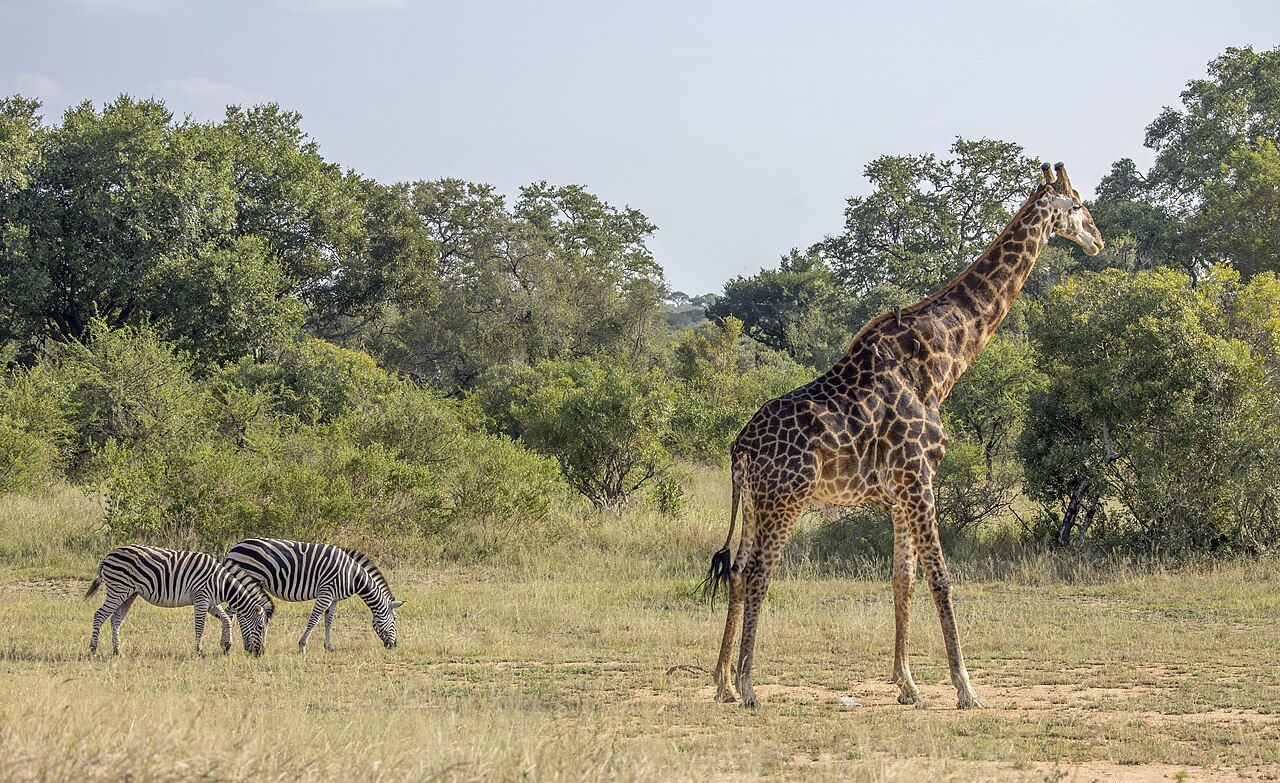
The giraffe here are South African giraffe, a subspecies with rounded, blotchy patches that sometimes carry small star-shaped points, set on a tan background, with the pattern running down to the hooves. Since 2016 genetic studies have grouped them within a southern giraffe species; the IUCN still treats all giraffe as one species with several subspecies. The longer story of that split sits in the four giraffe species guide. In the field the name matters less than the habit: these animals browse, they walk long distances between feeding trees, and they stand still when something worries them.
Thornveld on two kinds of rock
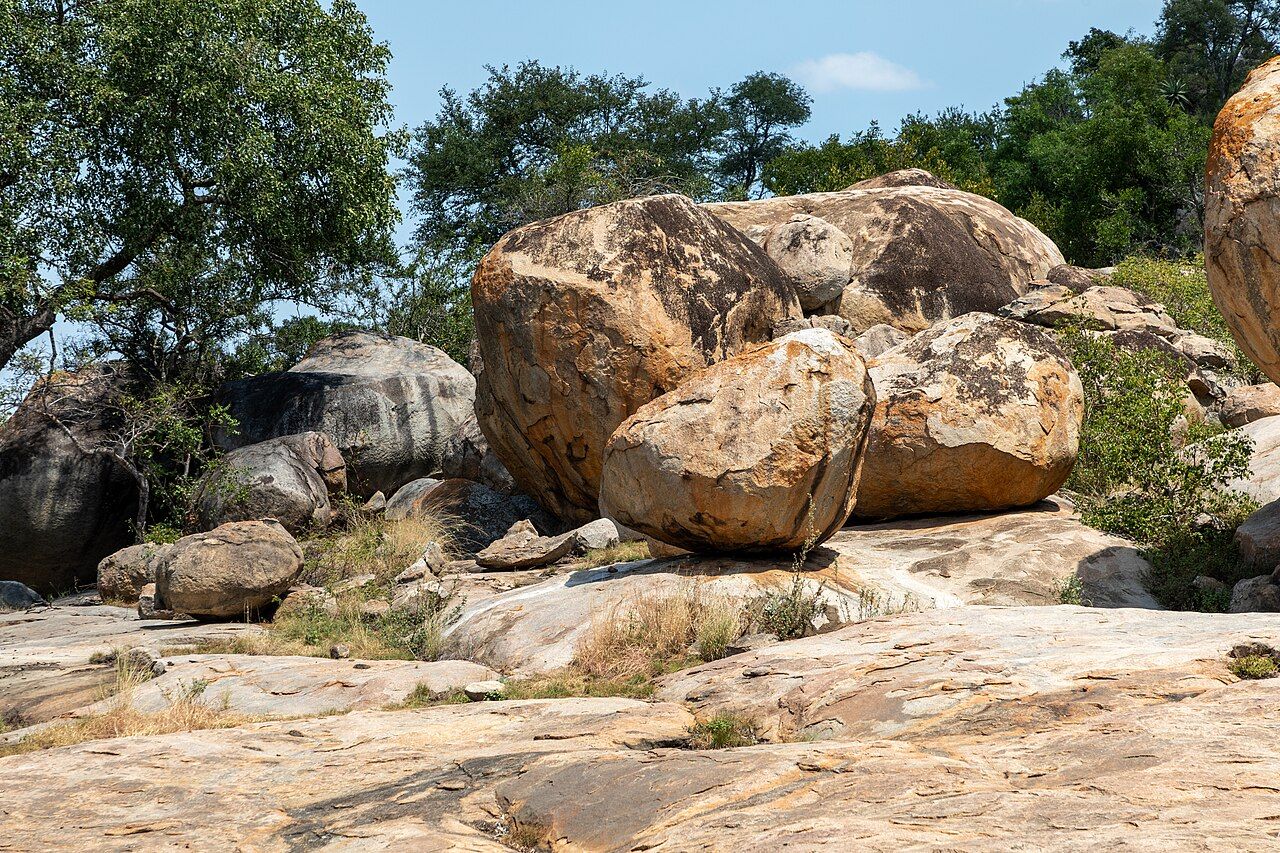
Kruger's south is split along a line of geology. The western side sits on granite, which weathers into sandy, well-drained soil and rounded boulders. Bushwillow and mixed woodland grow there, and the country rolls. The eastern side lies on basalt, a dark volcanic rock that breaks down into heavy clay rich in minerals. The basalt plains grow sweet grass and open stands of knob-thorn and marula, and grazers and browsers gather on them in numbers.
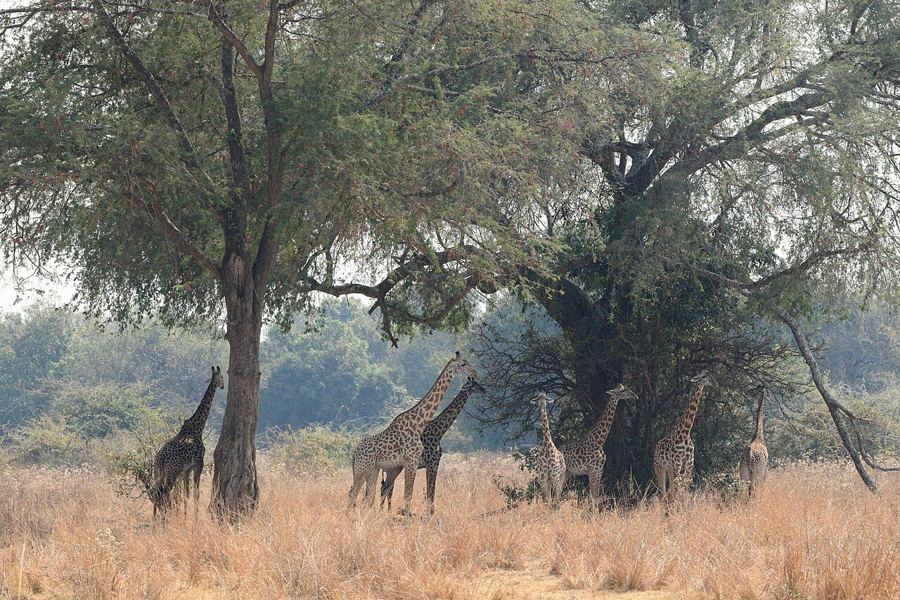
Knob-thorn is the tree to learn first. Its bark carries woody knobs tipped with small hooked thorns, and in late winter it bursts into pale, creamy flower spikes before the leaves return. Giraffe eat the leaves, pods and flowers, and on the basalt flats you can find several of them working one tree, tongues curling around the thorns. Marula is the other tree of these plains: a broad, rounded crown, grey flaky bark, and in late summer a crop of yellow fruit that elephants, baboons and antelope gather under.
- Knob-thorn: knobbly bark, paired hooked thorns, cream flowers late in the dry season.
- Marula: wide crown, smooth to flaky grey bark, plum-sized fruit in late summer.
- Sickle bush and other thorny shrubs: lower browse that giraffe bend their necks to reach.
How giraffe tell you about lions
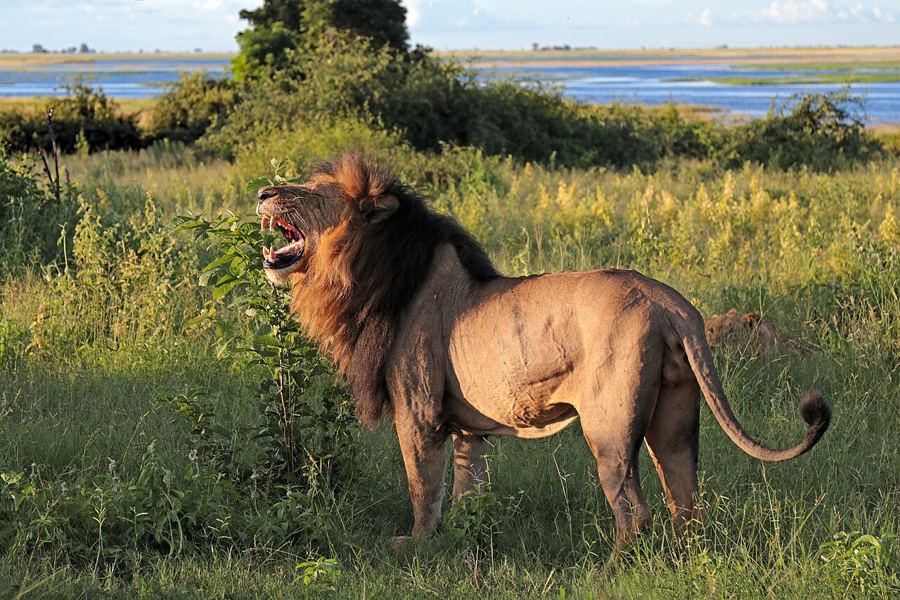
A giraffe's head sits higher than anything else on the plain, and its eyesight is sharp. When several giraffe stop feeding and stare in the same direction, ears forward, bodies still, something has caught their attention. Very often it is a predator: lions resting in the shade, a leopard moving through a drainage line, or a pack of wild dogs. Impala and zebra nearby may follow the giraffe's lead and freeze or snort.
So when you find giraffe standing like this, switch the engine off and follow their eyes. Scan with binoculars along the line of their gaze, low in the grass and in the shade under trees. Sometimes nothing appears and the giraffe drift back to feeding. Sometimes a tawny shape lifts its head two hundred metres away, and you understand why they stopped. Patience here is worth more than speed.
A giraffe's head sits higher than anything else on the plain, and its eyesight is sharp.
Lions do hunt giraffe, mostly calves and sometimes adults caught lying down or slipping on soft ground. An adult giraffe's kick is powerful enough that a pride needs good numbers and an advantage before it tries.
Self-drive rules and rest camps
Kruger is one of the easiest big parks in Africa to drive yourself. Main roads are tarred, side roads are graded gravel, and maps show both. A normal saloon car manages most of the network in the dry season. The rules are simple and firmly enforced, and they exist for your safety and the animals' calm:
- Stay inside your vehicle except at fenced rest camps, picnic sites and marked places where you may get out.
- Keep to the speed limits on tar and gravel; animals cross without warning.
- Be inside a rest camp or out of the park before the gates close.
- Never feed any animal, and never lean out of windows or sunroofs.
- Stay on the marked roads; driving off them is not allowed.
Rest camps are fenced, run by the park authority, and spread across the park, from large ones with fuel and shops to small bush camps with only a few units. Picnic sites along the roads give you a place to stretch your legs.
Rivers, roads and where to look
The Sabie and Crocodile rivers cut across the south, and the roads that follow them pass through thicker riverine bush with tall trees, good for leopard and birds. Giraffe come down to drink, but they spend more time out on the open flats between the rivers, where knob-thorn and marula grow in scattered stands. A morning loop that starts along a river and then heads onto the basalt plains covers both kinds of country.
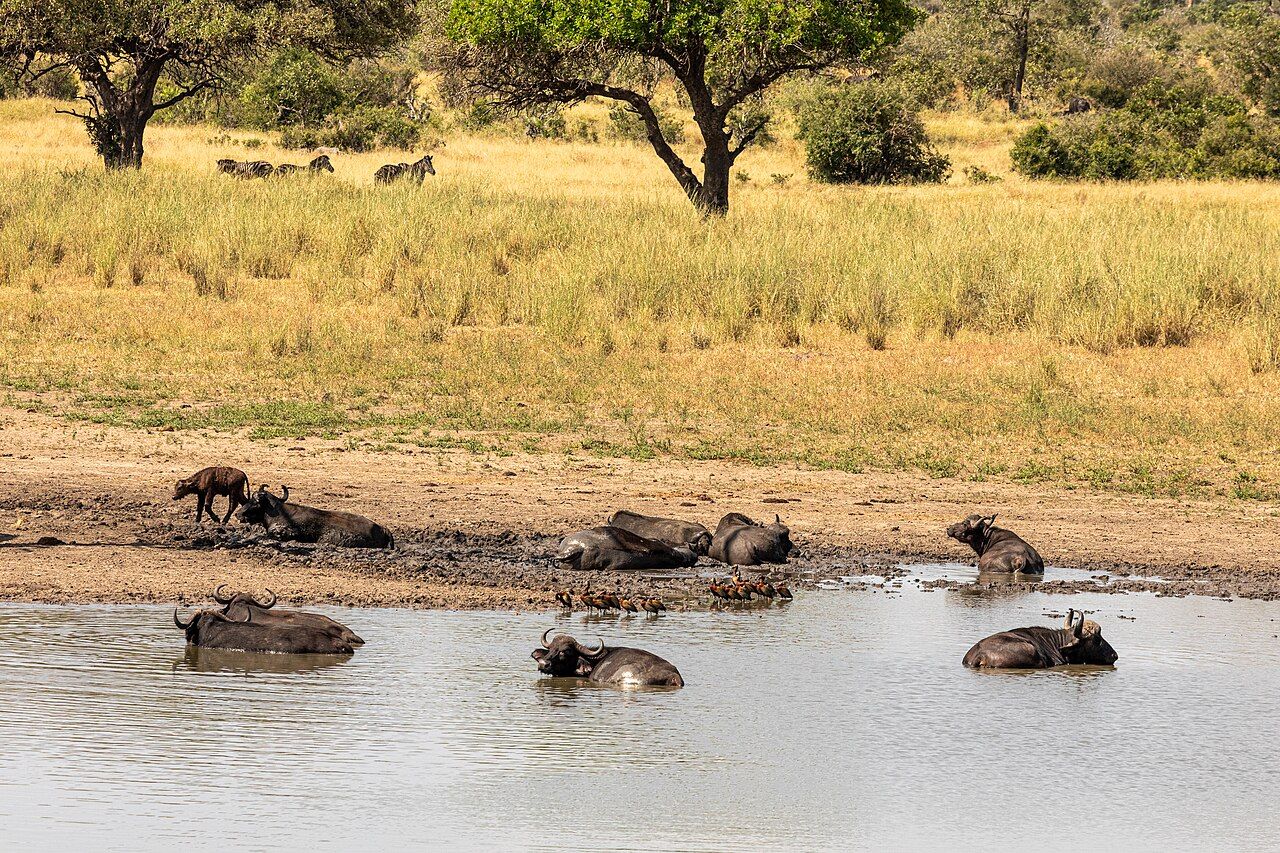
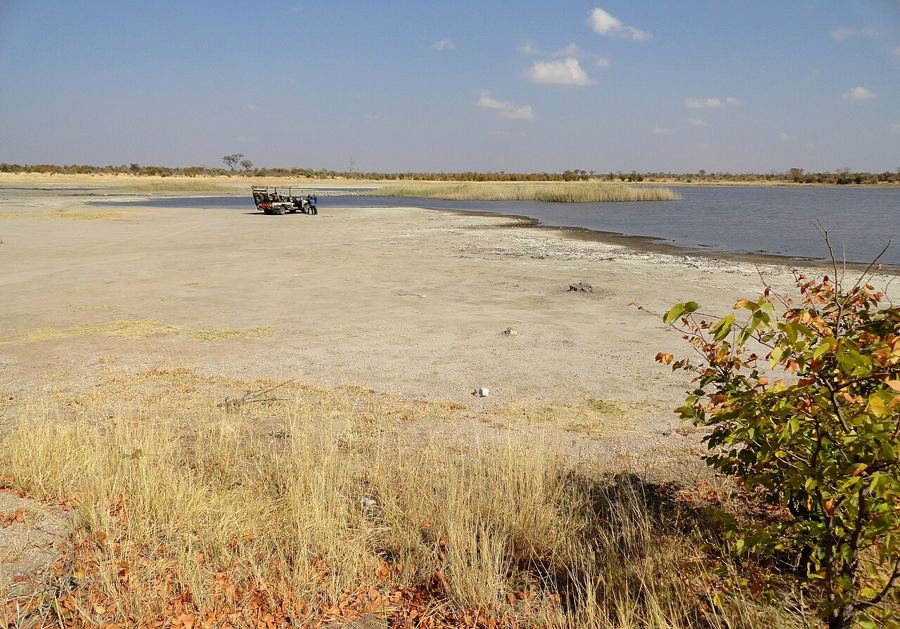
Watch the waterholes and dams in the late dry season, when surface water shrinks and animals move to the few reliable sources. Giraffe drink less often than many grazers, since they take much of their moisture from leaves, but when they do drink you see one of the strangest postures in the bush: front legs splayed wide, neck curving down, then a sudden jerk upright at any sound. The behaviour is described more fully in how a giraffe lives.
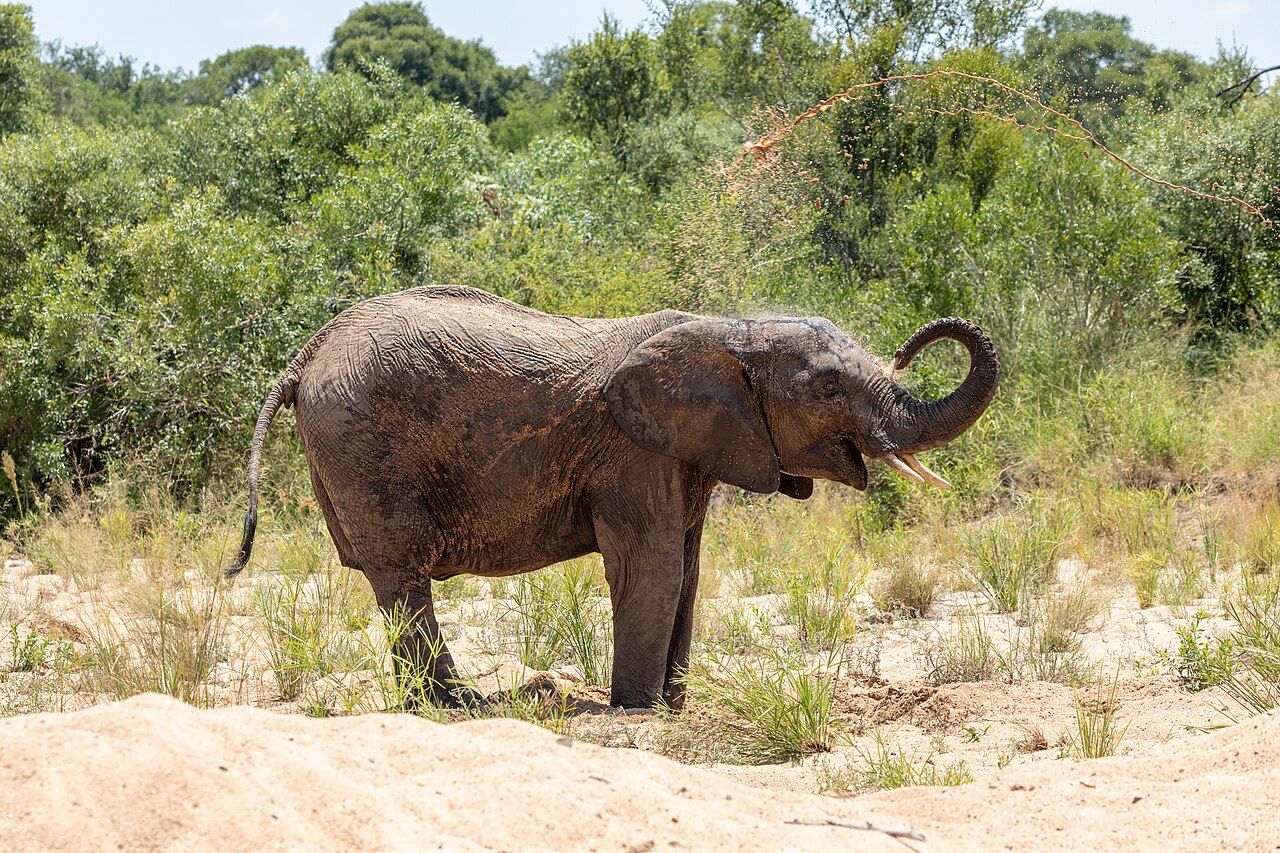
Elephants and buffalo share the same roads, so give them room and never drive between a cow and her calf. If an elephant shakes its head or spreads its ears, back off slowly and wait.
Seasons on the southern plains
The dry season, roughly May to October, is the classic time. The grass dies back, trees thin out, and animals gather near water, so sightings come more easily. Mornings in June and July can be cold in an open vehicle; afternoons are mild. By September and October the heat builds and the bush is at its barest.
The rains usually arrive in November and run into March or April. The bush turns thick and green, impala drop their lambs, migrant birds arrive, and the light is softer after storms. Giraffe are still easy to spot above the grass, though they spread out once water is everywhere. Afternoon thunderstorms are common, and some gravel roads may close after heavy rain. For a wider view of timing across the continent, the guide to dry and green seasons compares the regions.
Kruger lies in a malaria area, with the risk higher in the wet months. Talk to a doctor or travel clinic before you travel about tablets and other precautions, and read the notes on health and safety on safari.
Whatever the month, the rhythm that works is the same. Leave camp when the gates open, drive slowly, stop often, and take a long rest in the heat of midday. Return to the road in the late afternoon, when giraffe move out of the shade and the low light warms their coats.