Most trips to see giraffe pass without trouble. The risks that do exist are mostly familiar ones: sun, heat, insects, road travel and, occasionally, wild animals. A little preparation and a steady respect for park rules deal with nearly all of them. Good manners, toward animals and toward the people who live and work around parks, are part of the same habit.
Vaccinations and malaria
See a doctor or travel clinic several weeks before you go, ideally six to eight weeks or more. They will advise on vaccinations based on your destinations, your health and your plans. Some countries require a yellow fever vaccination certificate for entry, depending on where you have travelled from; the clinic can tell you what applies.
Malaria is present in most giraffe areas, including much of southern, East, West and central Africa. A doctor will advise on whether you need tablets, which kind suits you, and how to take them. Do not decide this yourself or rely on advice from other travellers. In addition to any tablets:
- Use an insect repellent on exposed skin, especially from dusk onward.
- Wear long sleeves and trousers in the evening.
- Sleep under a mosquito net where one is provided.
- Seek medical help quickly if you develop a fever during or after your trip, and mention where you travelled.
Tsetse flies are present in some areas, such as the Luangwa Valley. Their bites are painful; neutral-coloured clothes help avoid them. Season matters too: malaria risk is generally higher in the rains, as explained in when to go for giraffe.
Sun, heat and water
The sun in Africa's parks is strong at any time of year, and heat can build quickly in an open vehicle. Wear a wide-brimmed hat, sunglasses and sunscreen, and drink often even if you do not feel thirsty. Drink treated or bottled water where tap water is uncertain. Rest in the heat of the day; animals do the same.
Carry a small first-aid kit with plasters, antiseptic, rehydration salts, any personal medicines and a copy of prescriptions. Travel insurance that covers medical evacuation is worth having, since many parks are far from hospitals.
Staying in vehicles
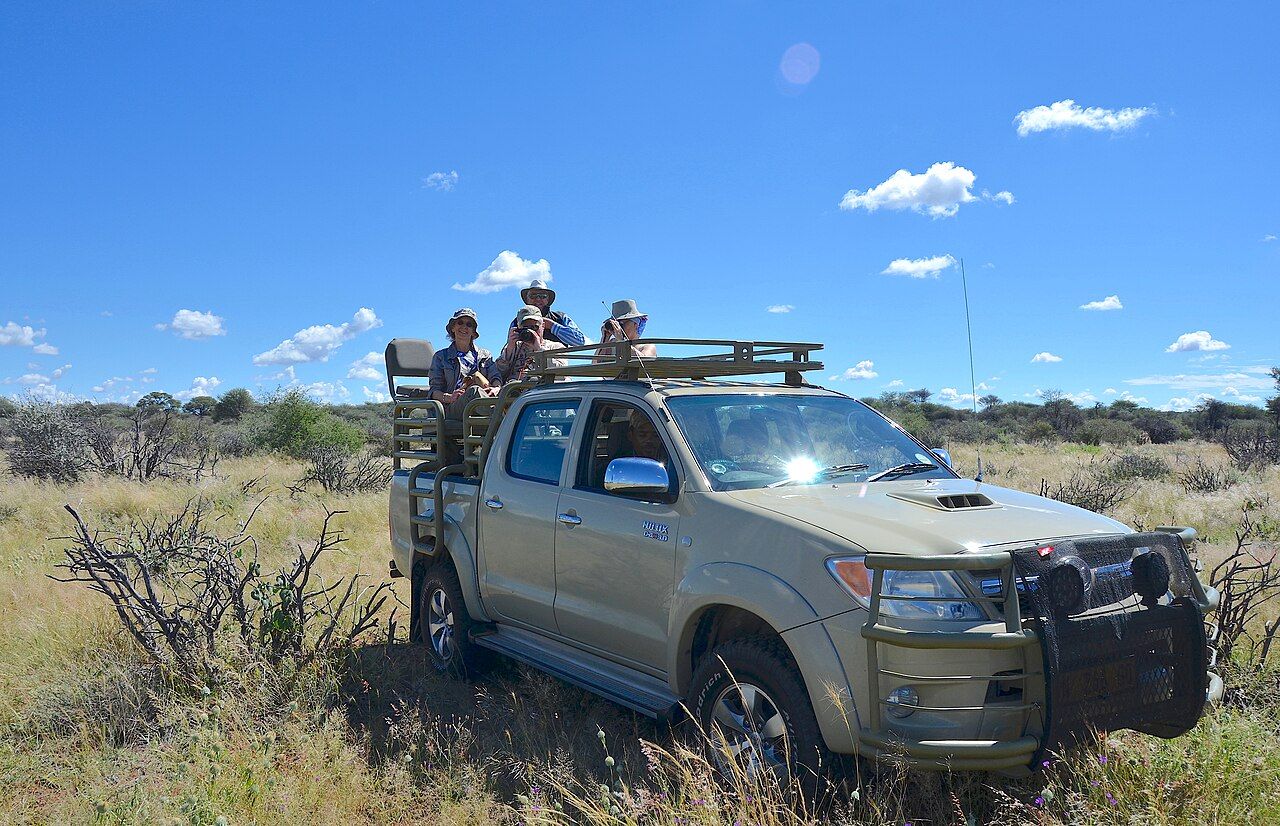
In most parks you must stay in your vehicle except at designated places. Animals in parks are used to vehicles and generally treat them as one large, harmless shape. A person stepping out breaks that shape and can provoke an animal to flee or attack. This applies to giraffe as much as to lions; an adult giraffe can kick with great force.
Keep arms and heads inside, do not stand up through roof hatches unless the vehicle and park allow it, and keep your voice low. On guided walks, which happen in some parks such as the Luangwa Valley, follow the guide's instructions exactly and never wander off.
Distance from animals
Give animals room. Giraffe are calm, but a cow with a calf, or a bull in the mood to fight, needs space. Elephants, buffalo and hippos are the large animals most likely to cause trouble; never come between an elephant and her calf, or a hippo and the water.
Never feed wild animals, including monkeys and baboons around camps. Fed animals learn to raid tents and bags, and often have to be destroyed. If an animal changes its behaviour because of you, such as stopping feeding, staring or moving away, you are too close; back off slowly. The guides to photographing giraffes and giraffe behaviour say more about reading a giraffe's mood.
In camp at night
Many camps inside parks are unfenced, and animals walk through them at night. Do not walk around after dark without an escort where one is offered. Use a torch, check paths before you step out, and keep tent zips closed. Store food carefully.
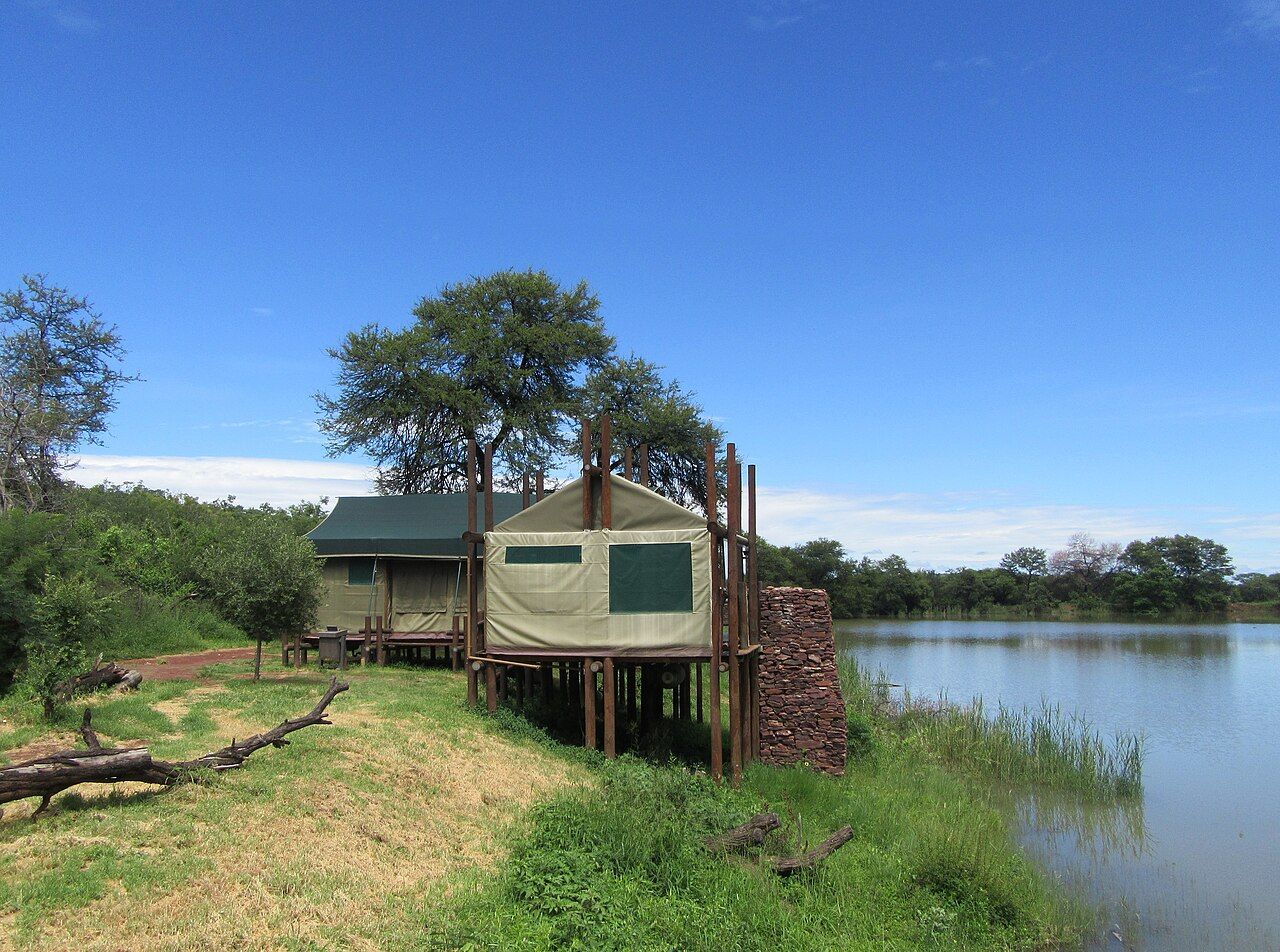
Hippos graze on land at night and can be dangerous; keep away from the water's edge after dark. Scorpions and snakes are rarely seen, but shake out shoes in the morning and look where you put your hands.
Lights attract insects after dark, so keep them off when you are not using them, and close the tent before you switch on a lamp inside.
Park rules
Each park has its own rules on speed, gate times, where you may get out, drones and the like. Read them when you enter and follow them. They exist for the safety of visitors and animals, and breaking them can bring fines.
Conditions change, and some regions of some countries are advised against at different times. This is especially important for places such as Kouré in Niger and the parks of DR Congo and Chad, where access is limited. Check your insurance covers the regions you will visit.
Good manners and tipping
Ask before photographing people, and respect a refusal. Dress modestly in towns and villages; what passes in a game vehicle may not be welcome in a market. Learn a greeting in the local language. Buy from local people where you can.
Tipping customs vary. In many places, guides, drivers, trackers and staff are tipped at the end of a stay, often through a shared box for staff who work behind the scenes. Ask on arrival what is usual rather than guessing. A quiet thank you, and real interest in what guides tell you, are always welcome too.