Giraffe seem made for photography. They stand still for long periods, they live in open country, and their shapes are unlike anything else. Yet many giraffe photographs look alike: a head cut off at the top of the frame, or a whole animal small and lost against grey bush at midday. The fixes are simple, and none of them requires the newest camera.
Tall subjects and long lenses
A giraffe is tall and narrow, so the first decision is orientation. Turn the camera upright for a whole animal close by, and leave room above the ossicones and below the hooves. Horizontal frames work better for groups, for a giraffe walking across open ground, or for an animal small in a wide landscape.
A long lens, something in the 200 to 400 millimetre range on a full-frame camera or its equivalent, covers most giraffe situations. It lets you fill the frame with a head, frame the neck against the sky, or pick out one giraffe from a group. Keep a wider lens or a phone ready as well. Some of the best giraffe pictures show the animal small in its country: a single giraffe on a salt pan, or a group under a flat-topped acacia.
Low angles and backgrounds
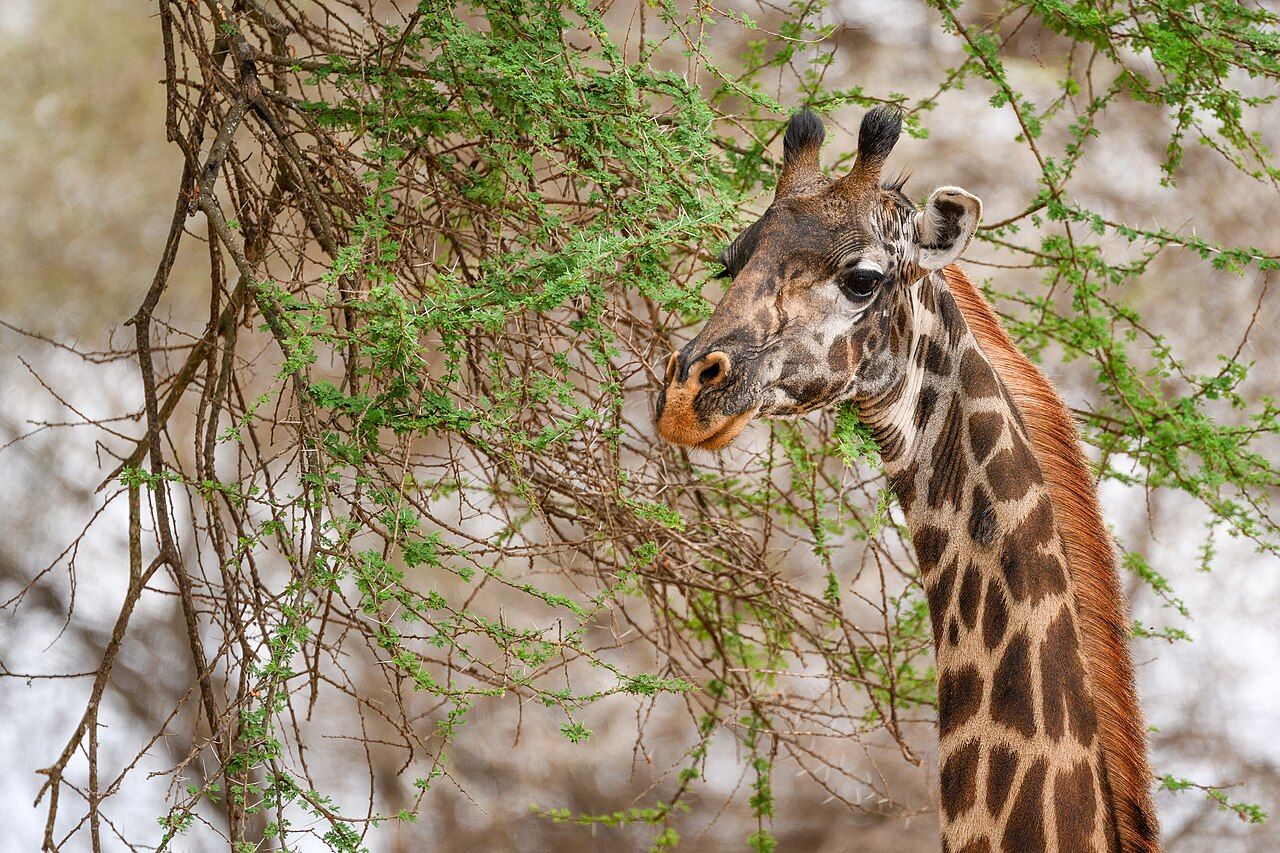
From a high safari vehicle, you look down on most animals, but a giraffe is one of the few you look up at. Use that. Shooting upward from a low position stretches the neck and puts the sky behind the head. In a self-drive car you are lower still, which is often an advantage for giraffe.
Backgrounds make or spoil a photograph. Before you press the shutter, look past the animal: a bright patch of sky, a dead branch through the head, or a car in the distance all pull the eye away. Move the vehicle a few metres, or wait for the giraffe to step clear, rather than taking the first frame. Plain backgrounds, such as sky, a dark stand of trees or the soft blur of distant bush, let the coat pattern stand out. The patterns themselves are worth a frame of their own, and they differ by kind, as explained in four giraffe species.
- Check the edges of the frame before you shoot.
- Avoid branches crossing the neck or head.
- Wait for the eye to catch a little light.
Light, silhouettes and dusk
The hours just after sunrise and just before sunset give warm light and long shadows that bring out the texture of the coat. In the middle of the day light from above flattens the patches and puts the eyes in shadow, so many photographers use those hours to rest.
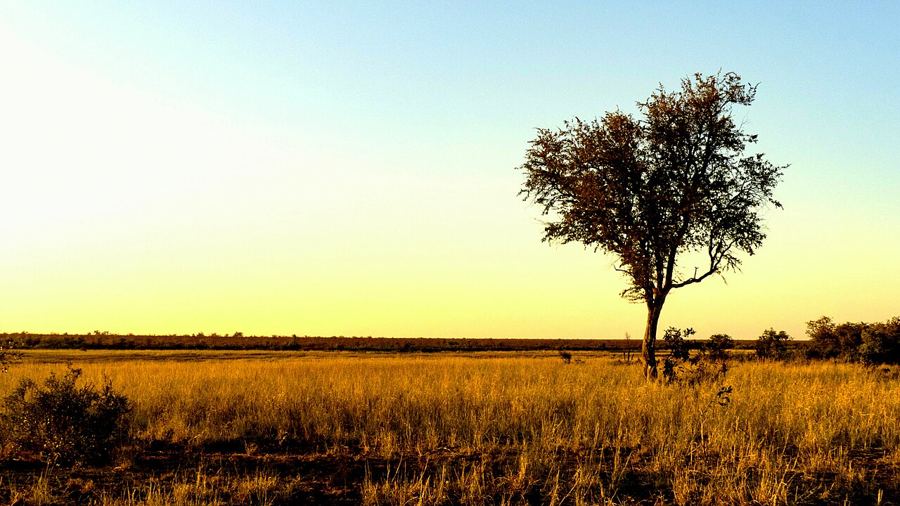
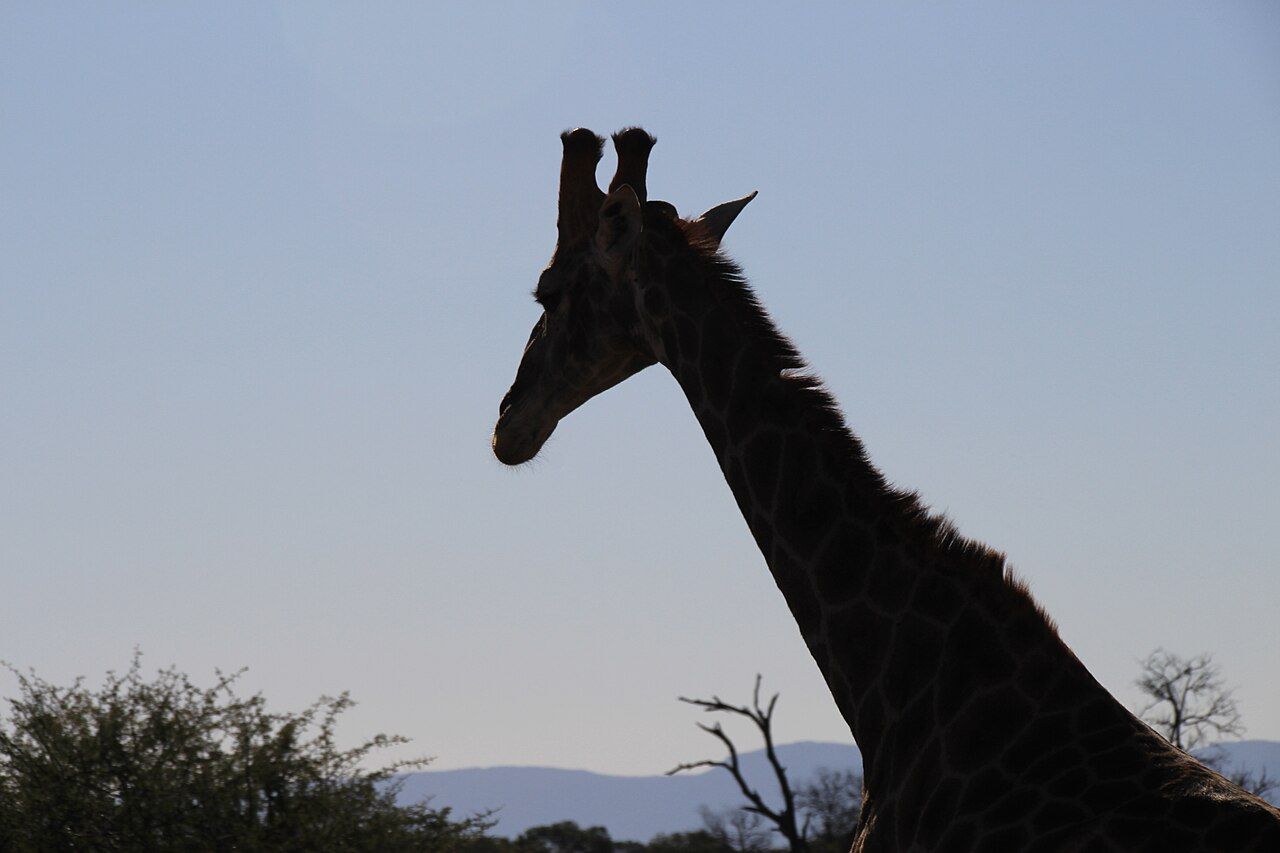
Silhouettes are where giraffe excel. The outline of a neck and ossicones against an orange sky is instantly recognisable. Place the giraffe against the brightest part of the sky, expose for the sky rather than the animal, and let the giraffe go black. Separation matters: a silhouette works when the neck and legs stand apart from trees and from each other.
At a waterhole, such as those in Etosha, drinking giraffe give the shape everyone wants: legs splayed, neck bent low. Wait for it; the animal may stand at the edge for many minutes before lowering its head.
Vehicles and beanbags
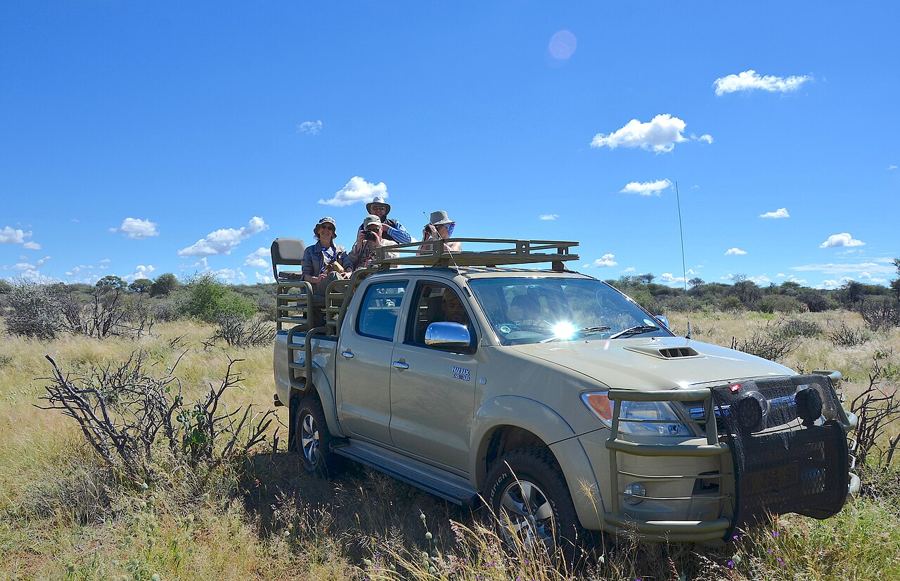
Most giraffe photographs in Africa are taken from a vehicle. A beanbag is the simplest support: rest it on a window frame or roof edge, settle the lens into it, and it absorbs movement better than a tripod in a car. Fill it with rice or beans bought locally, and empty it before you fly home.
Ask everyone in the vehicle to stay still when you are shooting, and have the engine switched off; vibration from a running engine shows up in long-lens images. Keep a cloth handy, as dust settles on everything, and change lenses inside the car with the windows closed when you can.
Settings are simpler than they seem. A fast shutter speed freezes a walking giraffe and steadies a long lens, while a middle aperture keeps the whole head sharp. When the light drops, raise the sensitivity rather than letting the shutter slow down; a little grain is better than a blurred eye.
Ethical distance
No picture is worth disturbing the animal. A giraffe that stops feeding, turns away and walks off has been pushed too far. Approach slowly, stop at a distance, and let the giraffe decide how close it wants to be. Stay on the roads; leaving them to get closer is against the rules in most parks and harms the vegetation.
Avoid photographing people and animals together in ways that encourage contact. Feeding giraffe for pictures, where it is offered, raises its own questions, discussed in the guide to giraffe close up near Nairobi. Never use flash at night on wild animals, and never use drones in parks unless you have permission, which is rarely given.
Patience over equipment
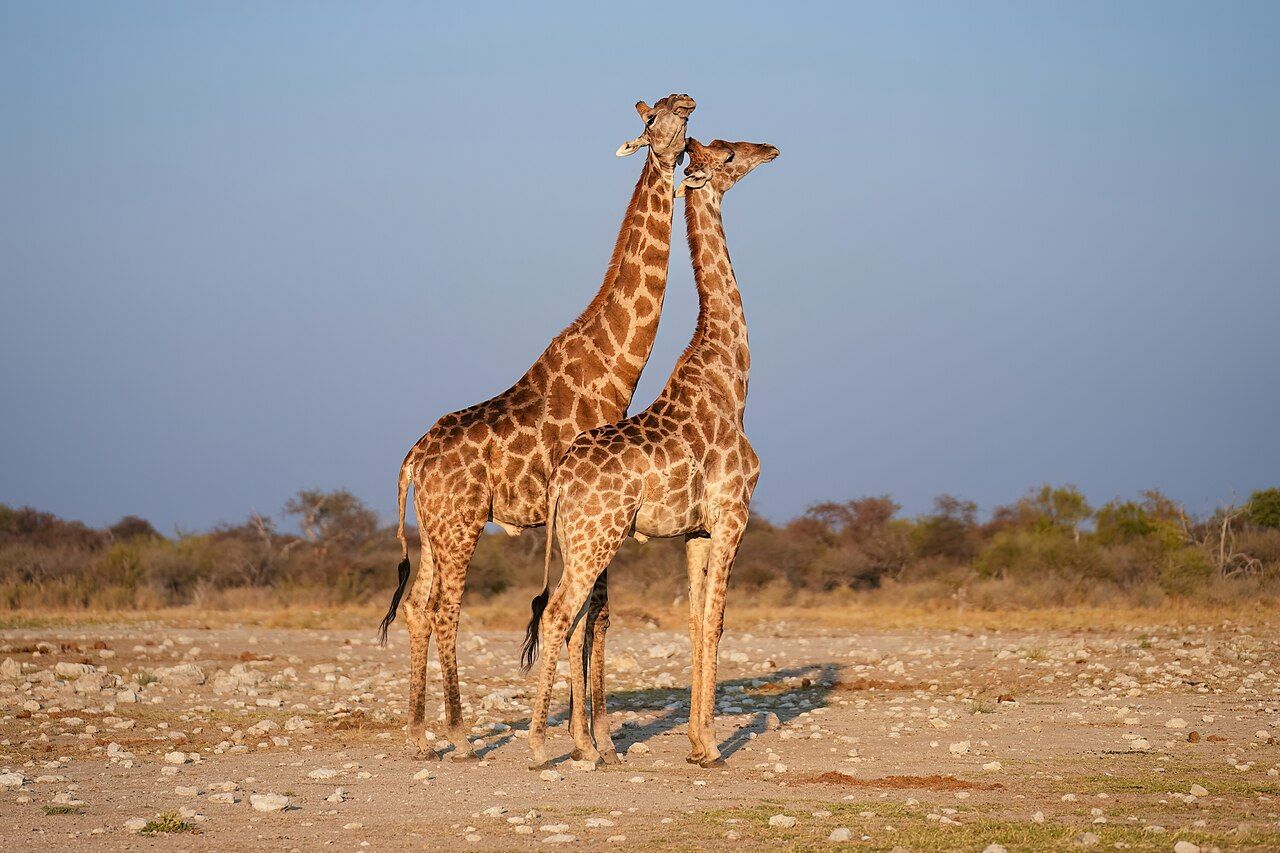
The best giraffe photographs usually come from sitting with one group for a long time. Giraffe do things slowly: a bull checks a female, two males begin to neck, a calf lies down, a group walks off in single file at dusk. Each moment comes and goes in a few seconds, after long quiet stretches.
Choose a group in good light, place the vehicle carefully, switch off, and wait. Look at how the animals use the landscape, as described in how a giraffe lives. Patience shows in the pictures, and the time spent watching is the real reward.