Kidepo Valley National Park lies in the far north-east corner of Uganda, in the Karamoja region, tucked against the borders with South Sudan and Kenya. It is a long way from anywhere. That distance keeps visitor numbers low, and for many people it is the reason to go: wide savannah valleys rimmed by rugged mountains, very few vehicles, and a feeling of space that is rare in East Africa.
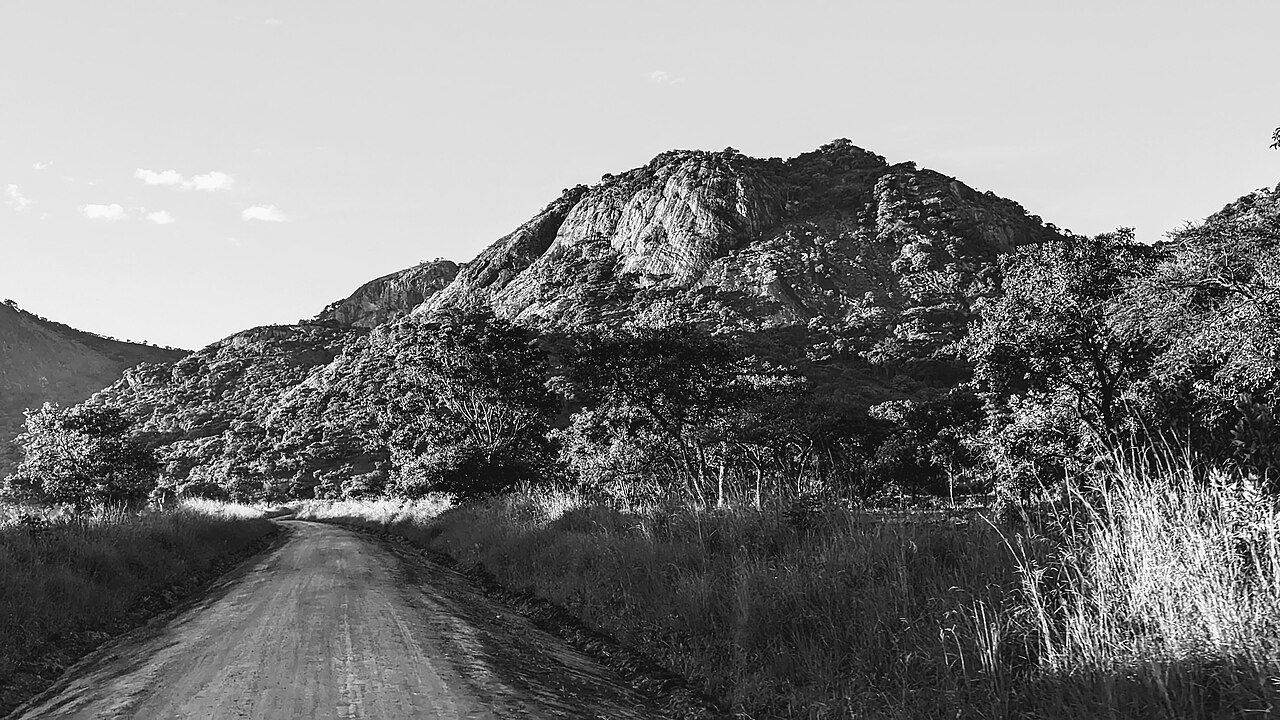
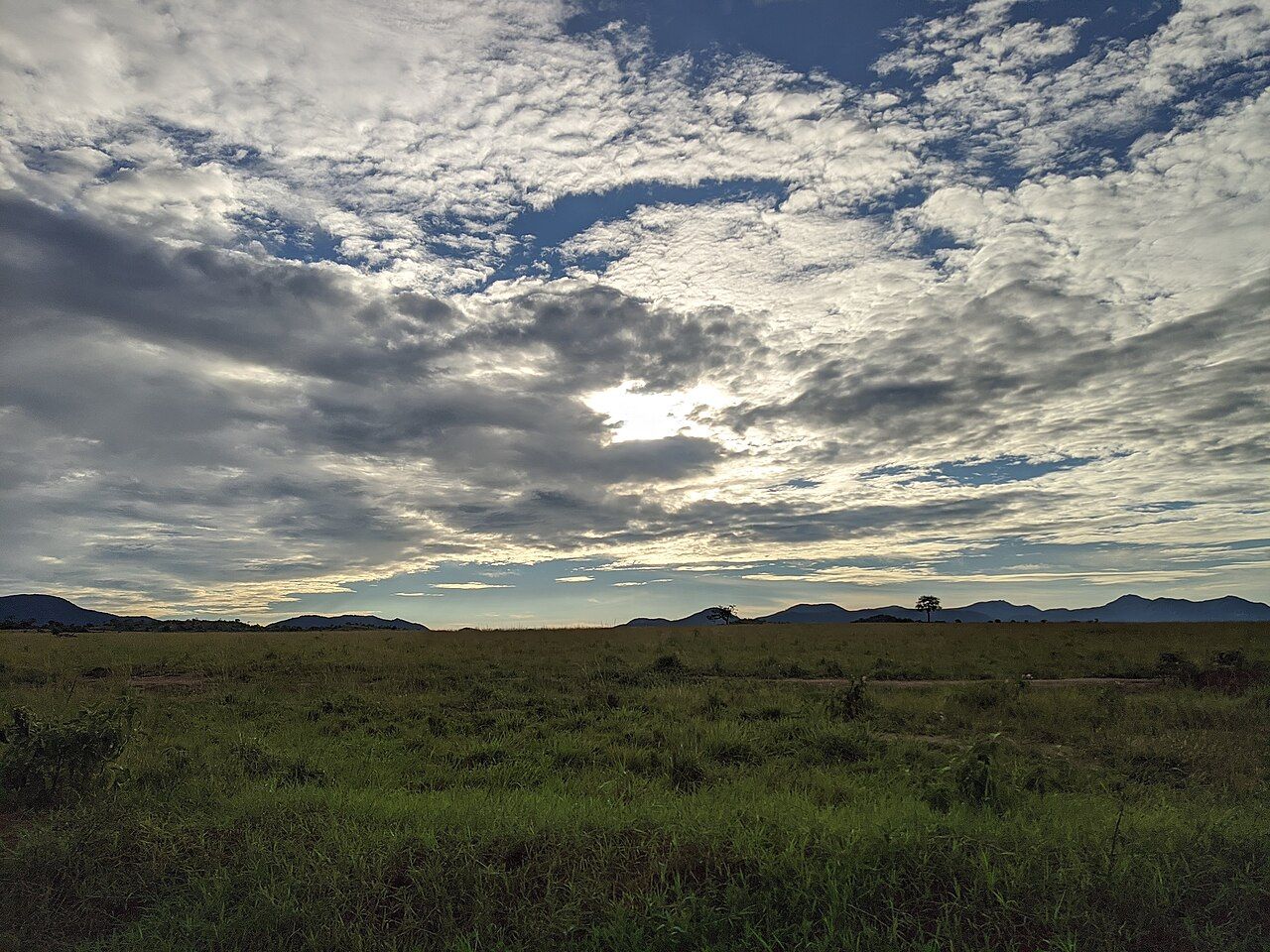
The park is smaller than Murchison Falls but far wilder in feel. Grassland, open acacia woodland and rocky hills fill the land between ranges, and the light changes constantly as clouds build over the mountains.
Two valleys
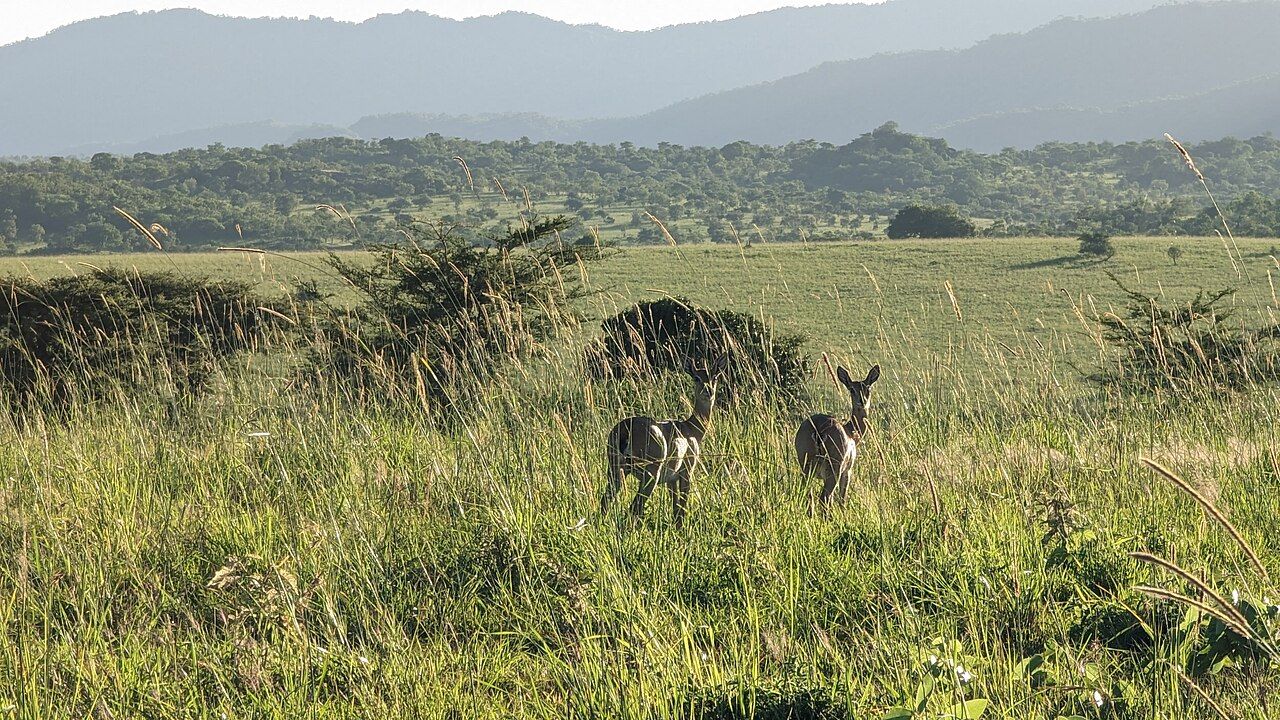
The park is shaped by two river valleys. The Narus valley in the south-west holds water for much of the year, in pools and swamps that draw wildlife during the dry season. This is where most game viewing happens, along a network of tracks a short drive from the park headquarters at Apoka.
The Kidepo valley to the north is drier. Its river flows only after rain, and for much of the year it is a broad bed of white sand lined with borassus palms. Few animals stay there in the driest months, but the landscape itself is striking, and a drive up the valley shows how harsh and beautiful this corner of Africa can be.
Between and around the valleys rise low hills and rocky outcrops, and on clear days the Morungole range shows to the south. Near the northern boundary, hot springs at Kanangorok seep up close to the border with South Sudan; reaching them takes most of a day, so ask rangers whether the track is open and whether an escort is needed.
Giraffe brought back
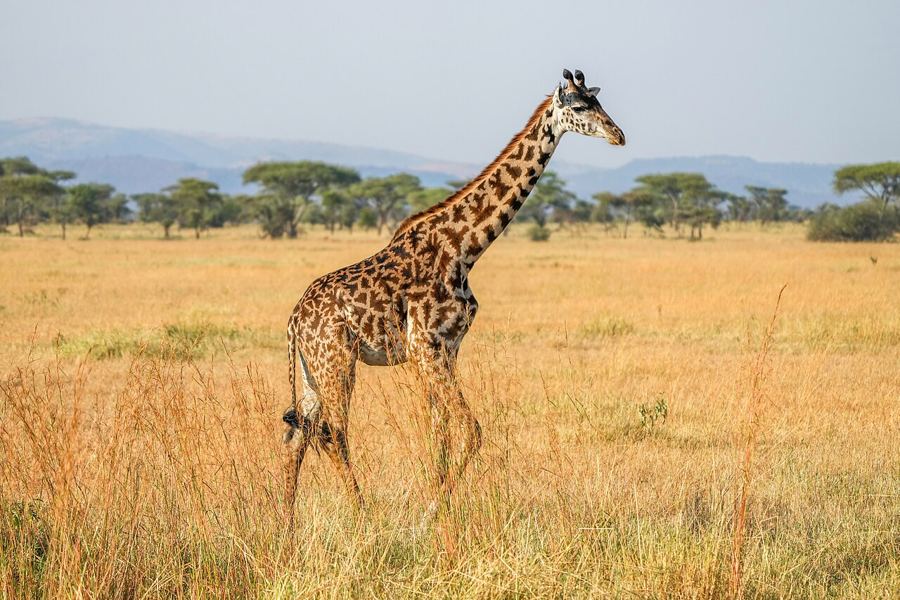
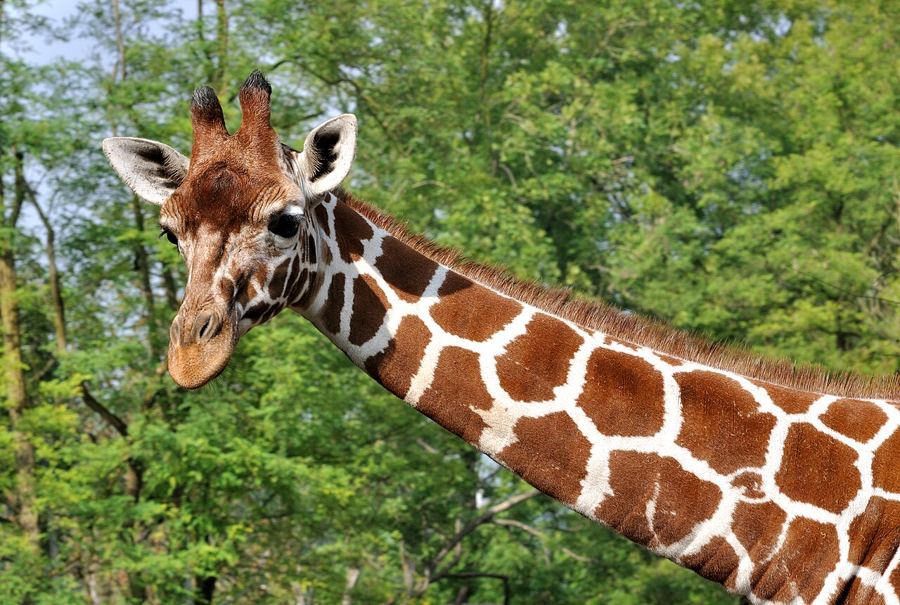
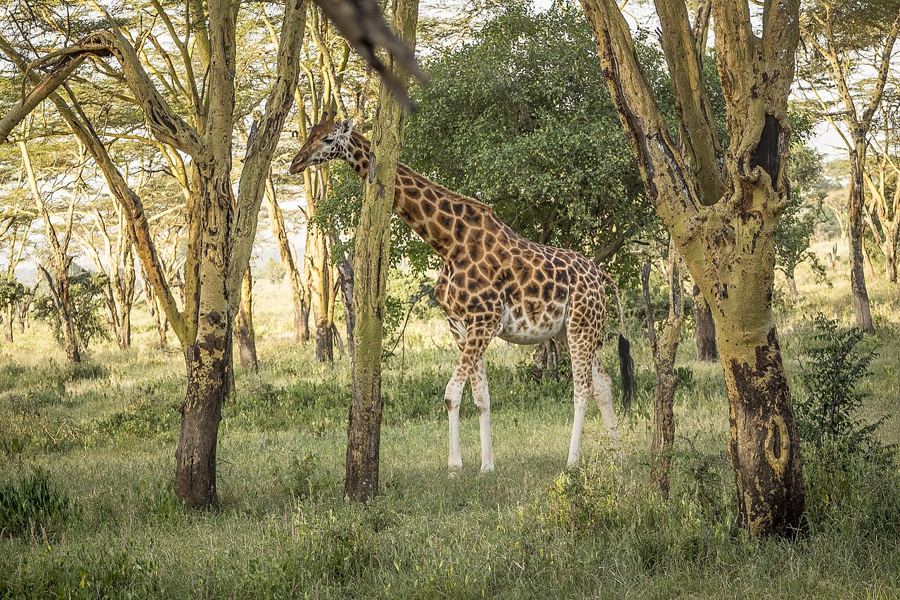
Rothschild's giraffe once lived here in good numbers, but hunting and unrest in the region reduced them to a handful by the 1990s. To rebuild the herd, giraffe were brought in, first from Kenya and later from Murchison Falls, where the largest population of this kind lives. The newcomers settled, bred and have grown into a small but healthy herd.
Today you have a fair chance of seeing giraffe on a drive through the Narus valley, often browsing among acacias or moving in loose groups across the grassland. Look for the pale, unspotted lower legs typical of Rothschild's giraffe. The story is part of a wider effort described in where giraffe are recovering, and Kidepo shows how a population can be restored when there is safe habitat to return to.
Other animals of Kidepo
The park is known for species that are hard to find elsewhere in Uganda. Cheetahs hunt the open grasslands, and ostriches stride across the plains. Bat-eared foxes, striped hyenas and caracals are present, though often elusive. Large herds of buffalo gather in the Narus valley, with elephants, zebra, Jackson's hartebeest and oribi.
Lions are seen regularly, sometimes resting on rocky outcrops, and leopards keep to the hills. Birdlife is rich, with several dry-country species found in few other places in the country. The wildlife is shared across borders, and some animals move between Kidepo and neighbouring lands as the seasons change.
Giraffe share the Narus valley with this wider cast, and a single morning drive can take in a buffalo herd, a group of giraffe browsing on a slope and a lion resting on a rocky outcrop within a few kilometres. Rangers at Apoka can tell you which loops have been productive lately, and in some areas they can lead short walks that show the valley at a slower pace.
Karamoja and its people
Kidepo sits within Karamoja, a region of pastoral communities whose lives have long centred on cattle. The Karamojong and related groups live around the park, and the Ik live in the mountains to its south-east. Life here is tough, with long dry seasons and limited services, and the region has seen security improve considerably in recent years.
If you travel through Karamoja by road, you pass homesteads, cattle herds and markets. Be respectful, ask before taking photographs of people, and follow the advice of rangers and park staff about where to go. Some visitors arrange community visits through the park, which can offer insight into a way of life very different from city Uganda.
Getting there by air or road
The road journey from Kampala is long, a full day or more, through Gulu or via Moroto, with sections of rough gravel. A sturdy vehicle with high clearance is essential, and fuel can be hard to find, so carry spare. The drive itself is part of the experience, showing how the country changes from the green south to the dry north.
Most visitors fly in on small aircraft to an airstrip near Apoka, which saves days of driving. Park fees, ranger escorts and vehicle charges are paid separately. For broader advice on vehicles and guides, see self-drive or guided.
Kidepo has a single long rainy season, roughly from April to November, and a dry season from December to March. In the dry months animals gather around the Narus valley's pools, making viewing easier, though the heat can be intense and the landscape turns brown. The wet season brings green hills and good birding, but some tracks become slippery or impassable.
Whenever you go, expect warm days, cooler nights and plenty of dust or mud depending on the weather. Bring a warm layer for evenings, plenty of water, and a good pair of binoculars. Kidepo rewards patience: the animals may be fewer than in busier parks, but the setting makes every sighting feel earned.