The Kordofan giraffe takes its name from a region of Sudan, but today it lives far more widely, in scattered pockets across a band of central Africa: northern Cameroon, Chad, the Central African Republic, South Sudan and the north-east of the Democratic Republic of the Congo. Each pocket is separate, and many are small. Two protected areas stand out for the giraffe they hold and the work done to keep them: Garamba National Park in DR Congo and Zakouma National Park in Chad.
This is the least visited giraffe country in Africa, and that is part of its story. Access is very limited, conditions change, and few travellers get there. This guide describes the animal and the places.
Recognising the Kordofan giraffe
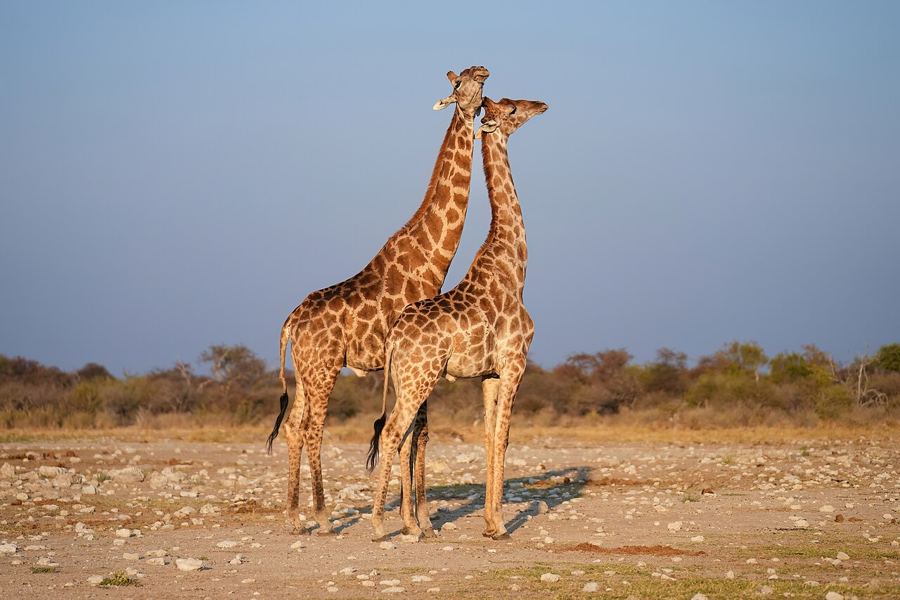
Kordofan giraffe are moderately pale, with irregular, medium-sized patches that can look smudged at the edges, and the pattern often fades below the knees. Some animals show patches running to the hooves. The coat sits between the pale West African giraffe and the bolder, darker patterns further south and east.
Since 2016 genetic studies have placed the Kordofan giraffe within the northern giraffe, together with the Nubian and West African subspecies, while the IUCN still treats the giraffe as one species with subspecies. The background is in four giraffe species, and the West African cousin is described in the giraffe of Kouré.
Garamba National Park
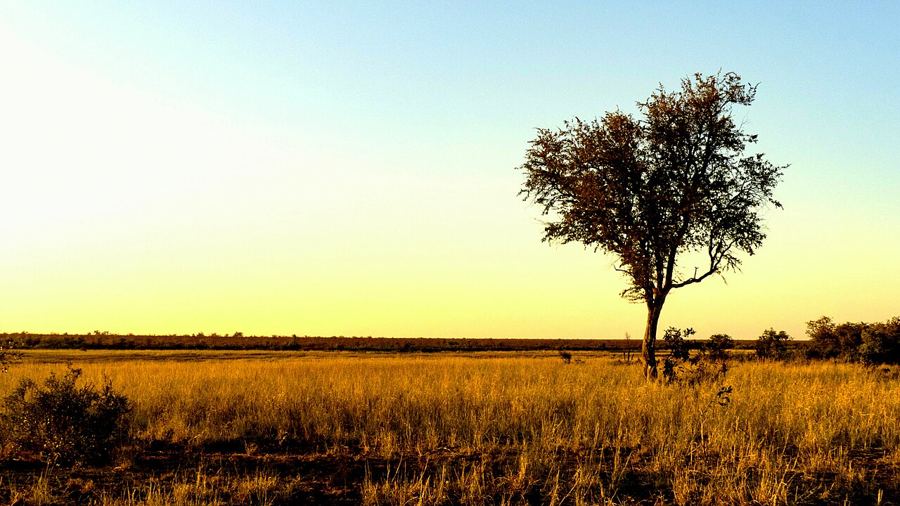
Garamba lies in the far north-east of DR Congo, against the border with South Sudan. It is one of Africa's oldest national parks, created in the late 1930s, and a World Heritage Site. Its landscape is a mix of tall-grass savanna, woodland and gallery forest along rivers, with papyrus swamps in the valleys.
The park's Kordofan giraffe are the only giraffe in DR Congo. Their numbers fell badly over past decades of poaching, and the population today is small; protection work has steadied it, and conservation groups watch it closely. Garamba was also the last wild home of the northern white rhino, which is no longer found there, and it protects elephants, buffalo and a range of antelope.
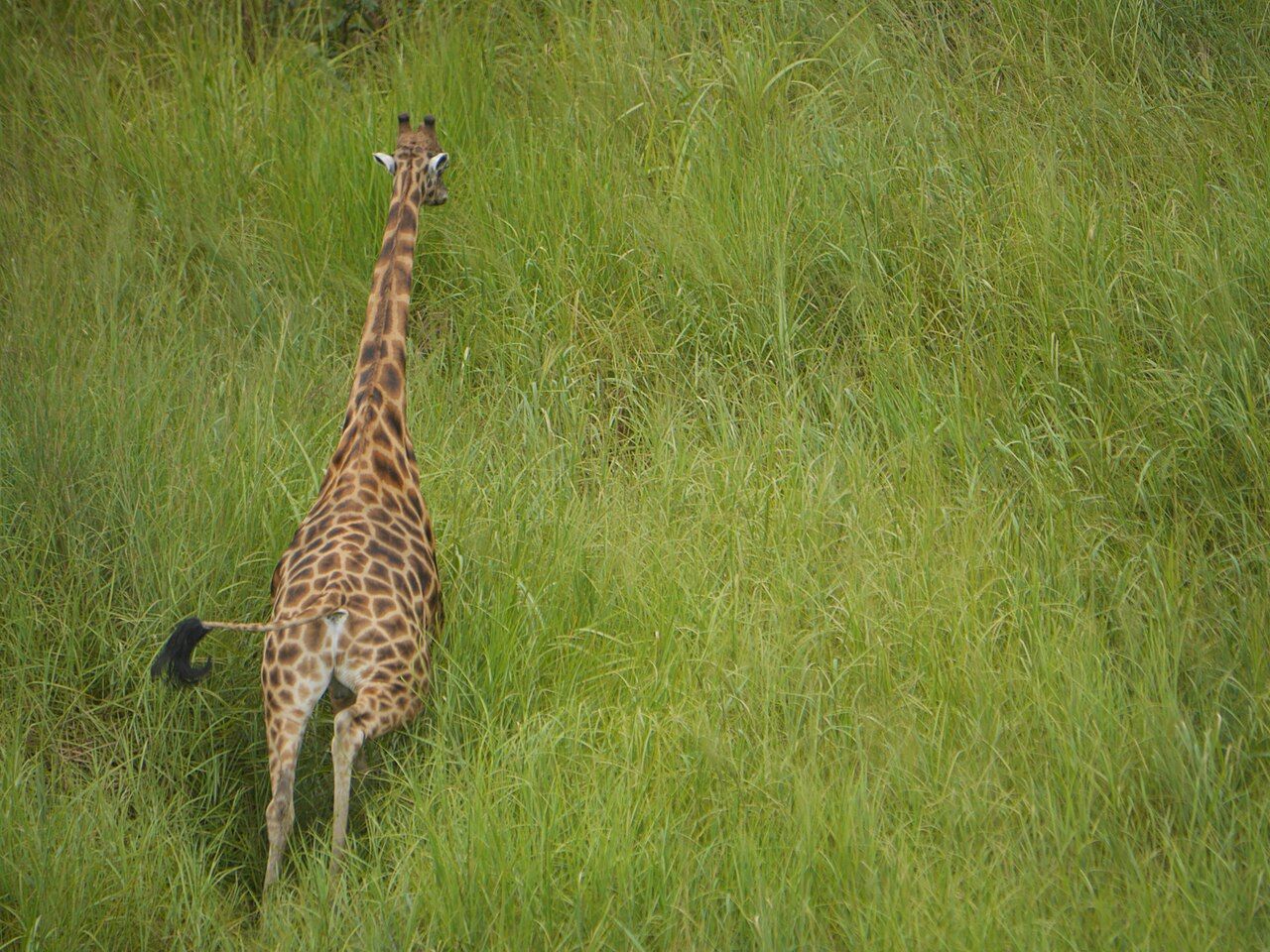
Tall grass is the main challenge to seeing anything. After the rains the grass on the savanna can grow higher than a vehicle, and even a giraffe may show only its head and neck. Fires in the dry season burn it back, opening the plains and making animals easier to find.
Zakouma National Park
Zakouma lies in south-eastern Chad, on a plain of grassland and woodland crossed by seasonal rivers. In the dry season water shrinks to a few pools and pans, and animals gather around them in large numbers. The park has seen a strong recovery of elephants and other wildlife after years of heavy poaching, thanks to long protection efforts.
Zakouma holds one of the larger groups of Kordofan giraffe, and it is the place where they are most often seen. During the rains, roughly June to November, much of the park floods, roads become impassable and visits generally stop. The dry season is the only practical window, and even then access is limited.
Protected-area work
Both parks have been rebuilt in recent years through long-term partnerships between their governments and conservation groups. That work covers ranger patrols, aerial monitoring, community programmes and schools, and the slow job of making protected land useful to the people around it. Giraffe benefit from all of it, even though they are rarely the main focus.
Some Kordofan giraffe have also been moved to start or strengthen populations elsewhere in their range, part of a wider pattern across Africa. The story of why giraffe declined and where they are recovering is told in giraffe conservation.
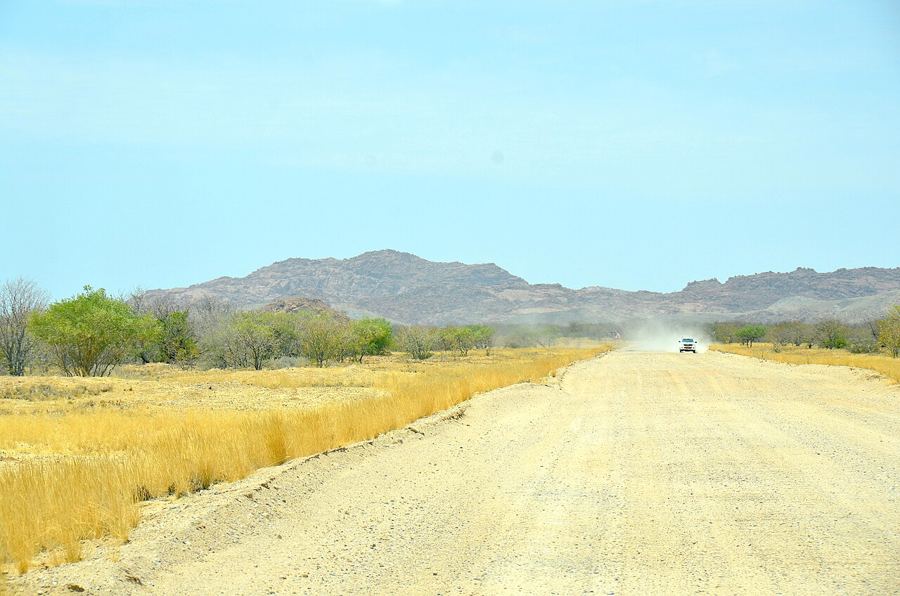
Travel to Garamba and Zakouma is very limited. Neither park is a simple stop on a regional route. Most visits, when they have been possible, rely on charter flights and on arrangements made through the parks themselves. Numbers of visitors are deliberately small.
The situation in parts of DR Congo, Chad and their neighbours changes, and many governments advise against travel to some regions. That is the honest starting point, and for many readers it will mean watching these giraffe from a distance, through the work of the parks, rather than in person.
- Expect to travel only by arrangement with the park, in the dry season.
When the dry season comes
In both parks, the dry months are the only realistic time. In Zakouma that means roughly December to May, when animals gather at water; in Garamba the drier months fall roughly between December and March, though rain patterns in the north-east of DR Congo are less sharply divided. The heat builds toward the end of the dry season, and the light becomes hazy with dust and smoke from grass fires.
Both areas carry malaria, and yellow fever vaccination is a common entry requirement in the region. Talk to a doctor or travel clinic, and read health and safety on safari for general points.
Even if you never travel there, the Kordofan giraffe is worth knowing. Its scattered range shows how a large animal can hold on in small patches when people decide to protect them.